Highlights
- The 1877–1878 El Niño caused a global famine that killed more than 50 million people across India, China, Brazil, and elsewhere.
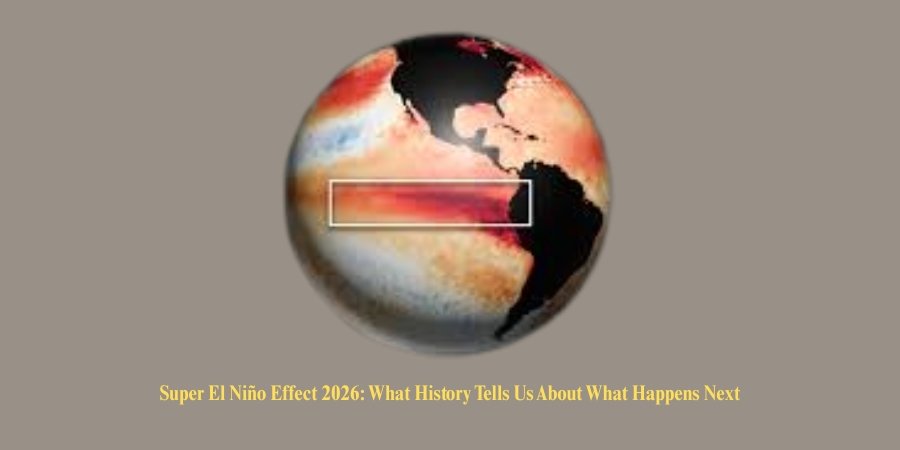
- Current ECMWF models show ocean water temperatures reaching 3 degrees Celsius above average, territory that would qualify as a historic Super El Niño.
- Multiple forecast systems spanning the US, Europe, Japan, and Australia project a powerful El Niño event emerging by mid-2026.
- Modern societies are far more technologically prepared today, but climate change has made oceans and the atmosphere significantly warmer, potentially amplifying impacts.
- Scientists warn simultaneous droughts, heatwaves, and crop failures could again threaten global food security.
Key Facts
|
Fact |
Detail |
|
1877 death toll |
50+ million people |
|
Primary cause of deaths |
Famine from crop failures |
|
Regions worst affected |
India, China, Brazil |
|
Global population loss |
3-4% of world population at the time |
|
2026 water temperature rise |
3°C above average per ECMWF models |
|
Expected El Niño window |
October 2026 through January 2027 |
Overview
Researchers studying the 1877 mass casualties wrote that it was “arguably the worst environmental disaster to ever befall humanity and one of the worst calamities of any sort in at least the last 150 years, with a loss of life comparable to the World Wars and the influenza epidemic of 1918/19.”
Nearly 150 years later, scientists are watching the Pacific Ocean heat up at a pace that is drawing direct comparisons to that event.
The last time the Pacific warmed this aggressively was during 1877 and 1878, when the resulting droughts and harvest failures across India, China, and Brazil contributed to famines that killed tens of millions of people.
What makes 2026 different from 1877:
- We’ve got early warning systems all over the world now. Food distribution networks are way better than they used to be.
- And there are international disaster response frameworks ready to act.
- But the thing is, climate change has warmed up both the oceans and the air, so extreme weather tied to El Niño hits even harder than what we’ve seen in the past.
What could still go wrong:
- Simultaneous droughts, heatwaves, and crop stress could threaten vulnerable regions and cascade through interconnected global supply chains.
- Regions with weak infrastructure remain highly exposed
- Food price shocks could affect billions even where famine is not a direct risk.
As chances rise for one of the strongest El Niño events on record, the potential for dangerous conditions has prompted serious comparisons to 1877, when such an event drove catastrophe around the globe.
The honest answer is that a 1877-scale death toll is unlikely in 2026 given modern technology and early warning systems. The concern is not mass famine in the same form. It is disrupting harvests, water supplies, energy markets, and supply chains, hitting multiple regions at the same time.
Frequently Asked Questions
What is a Super El Niño? A Super El Niño describes an extremely powerful Pacific Ocean surface temperature increase which causes worldwide weather disruptions that result in serious drought conditions for certain areas and extreme flood conditions for other areas.
How deadly was the 1877 El Niño? The strongest El Niño on record from 1877 to 1878 fueled conditions that led to a global famine killing more than 50 million people across India, China, Brazil, and elsewhere.
Is a Super El Niño confirmed for 2026? Multiple forecast systems spanning the United States, Europe, Japan, and Australia project a powerful El Niño event emerging by mid-2026, with some model runs tracking into territory that would rival or exceed the most powerful episodes ever recorded. It is not yet confirmed as a certainty.
Could it be as deadly today? While modern societies are far more technologically prepared, climate change has made oceans and the atmosphere significantly warmer, potentially amplifying extreme weather impacts linked to El Niño. Vulnerable regions with weak food systems remain at risk.
Takeaways
- The Super El Niño in 1877 was brutal, more than 50 million people died, making it the deadliest climate disaster we’ve ever recorded.
- Right now, ocean temperatures are hitting numbers we haven’t seen since back then. Forecasts call for a strong El Niño to take shape sometime between mid-2026 and early 2027.
- Sure, modern infrastructure makes a repeat of those mass casualties less likely, but we still have big worries, food security and supply chains might take a real hit.
- And with climate change in the mix, this El Niño could act differently and pack even more of a punch than anything we’ve seen or modeled before.