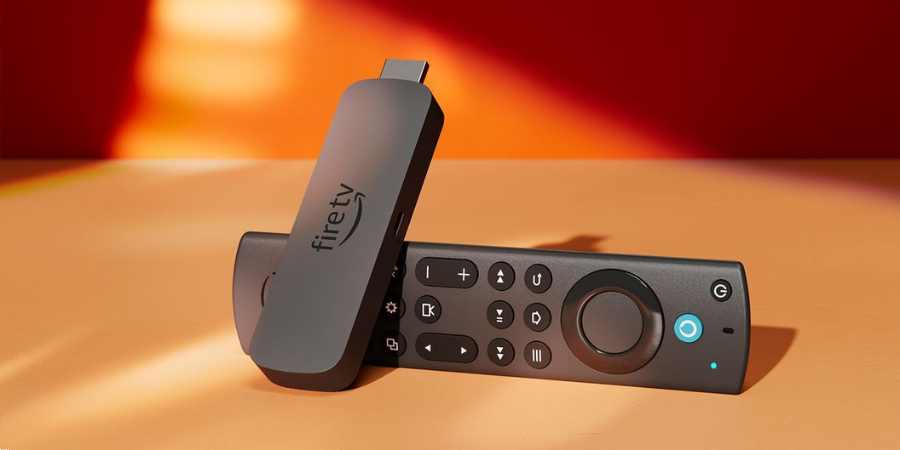
Amazon is facing a new class action lawsuit that accuses the company of effectively disabling older Fire TV Stick devices by ending software support while continuing to market the products as fast, convenient streaming tools.
The complaint, filed in California state court by plaintiff Bill Merewhuader, says Amazon misled consumers about the lifespan and functionality of first- and second-generation Fire TV Stick devices, which were advertised as providing instant access to hundreds of thousands of movies and TV shows across major streaming platforms.
According to the lawsuit, the promise of quick, broad streaming access was a major reason consumers bought the devices. Merewhuader alleges that Amazon later removed or limited important software features, leaving some devices slow, difficult to use, or effectively unusable.
The complaint describes that alleged result as “bricking,” a term used when a device loses its core functionality even though the hardware itself still exists and powers on.
The plaintiff says the problem was not a sudden hardware defect, but a consequence of Amazon’s control over software support. He claims he bought two second-generation Fire TV Stick devices in 2018 and began noticing serious performance issues within a few years.
By 2024, he says the devices had become unusable enough that he had to replace them with newer versions. The lawsuit argues that Amazon’s actions shortened the practical life of products consumers already owned.
The complaint states that Amazon ceased software updates for first-generation devices in December 2022 and ended second-generation device support shortly after that date. The company allegedly misled consumers into believing that device support would continue until 2024.
The lawsuit says that discontinuation of support came before the devices had reached the end of their expected useful life and without proper warning that core features could be reduced or removed.
The case also takes aim at what the complaint calls “software tethering,” a practice in which a product’s usefulness depends on ongoing software support controlled by the manufacturer. Merewhuader argues that Amazon retained the ability to limit or end features after the sale, giving the company leverage to push consumers toward buying newer hardware.
The lawsuit further claims Amazon did not offer refunds or compensation to affected users and instead encouraged upgrades to newer models.
In addition to consumer-protection claims, the complaint includes allegations of breach of contract and related causes of action under California law. Merewhuader is seeking to represent a nationwide class of consumers who purchased first- or second-generation Fire TV Stick devices, along with California subclasses.
The suit asks for damages, restitution, injunctive relief, attorneys’ fees and an order requiring Amazon to compensate affected consumers.
The lawsuit also points to broader concerns over the ability of manufacturers to use software updates to limit products after purchase. The complaint says federal regulators have raised concerns about companies controlling the software on devices consumers already own, especially when that control can reduce functionality before the hardware itself wears out.
While the case is still at an early stage, it adds to a growing debate over ownership, repair rights and how much power tech companies should retain once a product is in customers’ hands.
For now, the lawsuit is only an allegation, and Amazon will have an opportunity to respond in court. The case reveals a common problem that consumers face when they purchase connected devices because their devices remain functional for multiple years yet they become outdated when manufacturers stop providing software updates.
If the claims are proven, the suit will affect both Fire TV Stick owners and the entire consumer electronics market because software support now determines how long products will remain operational.