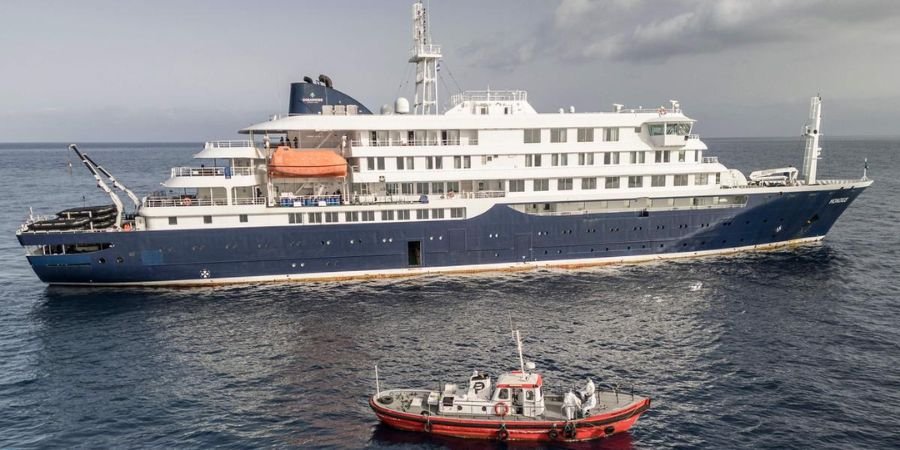
Highlights:
- A hantavirus outbreak on luxury cruise ship MV Hondius has led to three deaths and several suspected or confirmed infections.
- The ship carried 147 passengers and crew, according to the WHO.
- Health officials said the global public health risk remains low, even as tracing and treatment continue.
- Cases linked to the ship have been reported in South Africa and Switzerland.
- The strain involved is the Andes hantavirus, which can rarely spread through very close contact between people.
Key Facts:
|
Key fact |
Detail |
|
Ship name |
MV Hondius |
|
People on board |
147 passengers and crew |
|
Total cases |
Seven cases by May 4, with Reuters later reporting eight confirmed or suspected cases |
|
Deaths |
Three deaths reported |
|
Public risk |
WHO says the risk to the global population is low |
Background:
A hantavirus outbreak on luxury cruise ship MV Hondius has drawn global attention after three passengers died and health teams in several countries began tracking possible exposures.
The WHO said the ship was carrying 147 passengers and crew, and by May 4 it had identified seven cases, including three deaths and one critically ill patient. Reuters later reported that the total had risen to eight confirmed or suspected cases as evacuations continued.
The ship left Ushuaia, Argentina, on April 1 and followed a route across the South Atlantic before stopping near Cape Verde. Reuters said the vessel later headed toward Spain, where passengers were due to disembark in Tenerife if they remained well.
The illness linked to the ship is the Andes hantavirus. The WHO says hantavirus usually spreads through contact with infected rodents or their urine, faeces, or saliva. Human-to-human spread is rare, although it has been reported with this strain in close-contact settings.
Symptoms in the cruise-linked cases began between April 6 and April 28 and included fever, stomach symptoms, rapid pneumonia, acute respiratory distress syndrome, and shock. That pattern explains why medical teams acted quickly once the cluster was identified.
Even with the serious outcome, the WHO has kept its overall risk assessment low for the public. The main response now centers on isolation, contact tracing, medical evacuation, and laboratory testing.
FAQ
What is hantavirus?
Hantavirus is a group of viruses carried mainly by rodents. Some strains can cause severe illness in humans.
Can hantavirus spread from person to person?
It can spread between people in rare cases, especially with the Andes strain and very close contact.
What is the current risk to the public?
WHO says the risk to the global population from this event remains low.
Where are patients being treated?
Reuters reported treatment in South Africa, Switzerland, and transfers to Europe for some evacuated passengers.