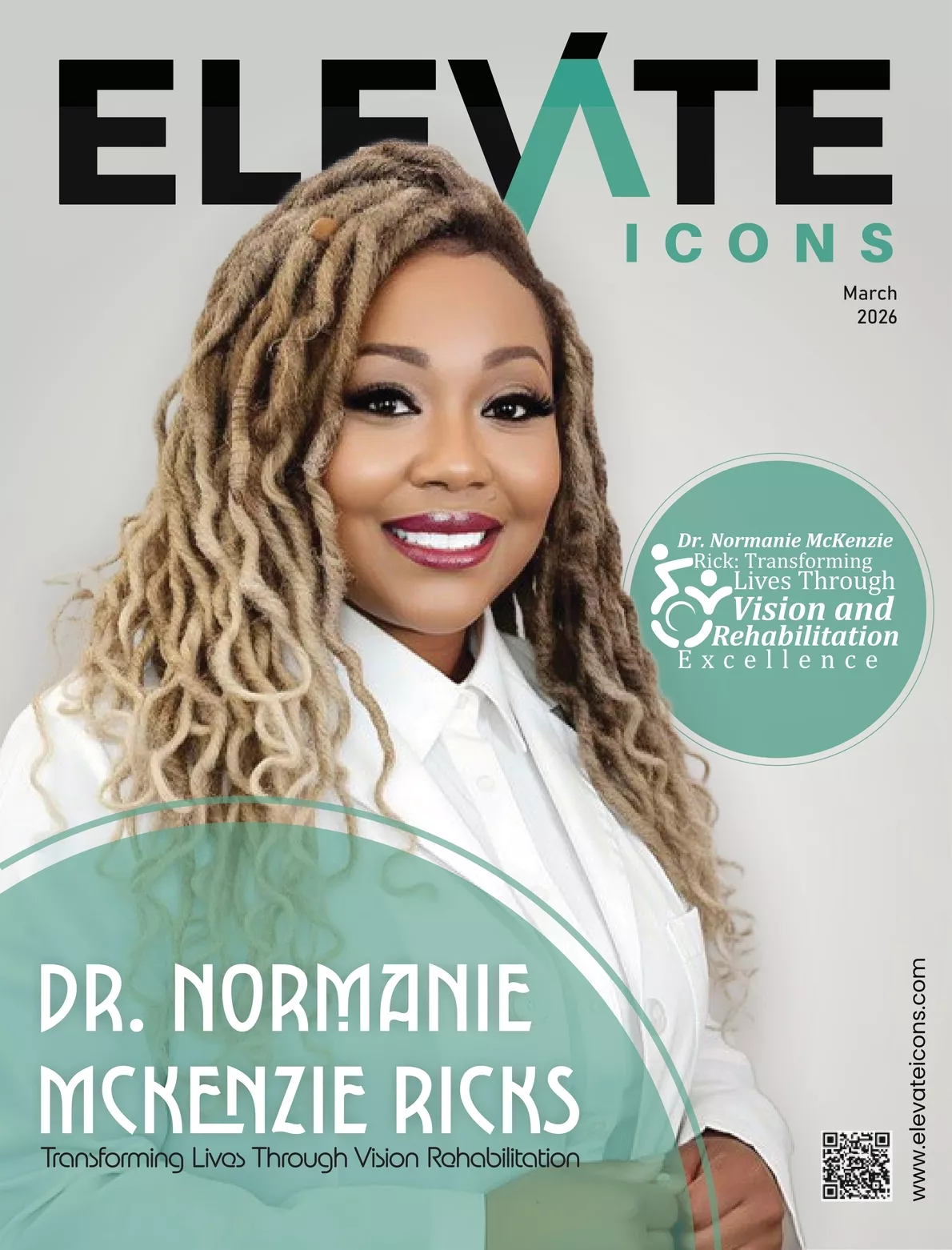

Healthy vision shapes how a person learns, works, and moves through the world. Many people think eye care begins and ends with prescriptions or surgeries. In reality, vision is deeply connected to how the brain processes information and how the body responds. When eye specialists collaborate with occupational therapists, the result is a more complete path to recovery and daily function.
Let us break down why pairing occupational therapy with vision care changes outcomes in powerful ways.
Why integration matters in modern care
Vision problems are rarely isolated. They ripple into reading, depth perception, balance, handwriting, driving, sports, and emotional confidence. Eye exams identify what is happening. Occupational therapy often identifies how that problem affects life.
When these two disciplines communicate, treatment shifts from symptom-focused to person-centered. Instead of simply correcting vision clarity, patients gain strategies that support independence, productivity, and long-term wellness.
Benefit 1: Stronger functional vision, not just sharper eyesight
A traditional eye appointment may address visual acuity. But life demands more than seeing letters on a chart. Functional vision involves tracking, visual memory, focusing between distances, and interpreting movement.
Occupational therapists evaluate how vision influences everyday tasks. They observe how a child copies from the board. They assess how an adult scans the environment while walking. They analyze how someone recovering from stroke locates objects in space.
When functional vision challenges meet structured therapy:
- Visual tracking improves during reading and screen work
- Eye teaming strengthens for driving and sports
- Visual-spatial awareness becomes more reliable
Integrating therapy with clinical eye care ensures that improvements translate directly into daily life. Eyeglasses or medical treatments become part of a broader strategy, not the only solution.
Benefit 2: Better outcomes after brain injury and neurological conditions
Concussions, strokes, and neurodegenerative disorders often disrupt visual processing. Many patients experience blurred vision, sensitivity to light, headaches, or difficulty judging distances. Left untreated, these issues slow recovery and create frustration.
Occupational therapists specialize in rehabilitation after neurological change. When they collaborate with optometrists and ophthalmologists, the rehabilitation plan becomes more targeted.
Therapy may include:
- Guided visual exercises tailored to brain recovery
- Environmental modifications to reduce strain
- Gradual task progression to rebuild tolerance
- Compensatory strategies while the brain heals
Patients regain confidence faster. They begin reading for longer periods. They walk with improved stability. They return to work and community life with tools that support them.
The integration matters because it respects the brain-vision connection. Vision care identifies impairment. Occupational therapy retrains function in the context of real activities.
Benefit 3: Stronger support for children with learning and developmental needs
Parents often search for answers when a child struggles with reading, writing, or attention. Sometimes the issue is not motivation or behavior. It is visual processing.
Occupational therapists frequently identify patterns such as skipping lines, poor handwriting alignment, eye fatigue, or difficulty copying from near to far. When vision specialists join that conversation, a clearer picture forms.
Together they can:
- Diagnose convergence or focusing difficulties
- Design therapy that links eye skills with movement and posture
- Align school accommodations with clinical findings
- Teach families specific at-home supports
Children feel less overwhelmed. They participate more fully in class. They develop a healthier relationship with learning.
This collaboration helps avoid mislabeling children as unfocused or disengaged when the real challenge sits in their visual system. The partnership creates an environment where the child is understood and supported.
Benefit 4: Reduced risk of falls and improved mobility in adults
Balance, gait, and spatial awareness depend heavily on vision. Subtle deficits can increase fall risk, especially for older adults.
An eye care provider may notice cataracts, peripheral vision loss, or depth perception changes. An occupational therapist examines how those changes affect navigation at home, in the community, or at work.
When both perspectives merge, prevention becomes proactive.
Practical interventions may include:
- Training to scan environments more effectively
- Contrast and lighting adjustments to improve visibility
- Safer organization of household spaces
- Task-specific practice for walking on uneven surfaces
Instead of treating falls as inevitable, integrated care treats them as largely preventable. Mobility becomes safer. Independence lasts longer.
Benefit 5: A coordinated plan that reduces frustration and increases motivation
Healthcare can feel fragmented. Patients see multiple specialists who rarely communicate. Messages conflict. Instructions overlap or contradict. Motivation drops.
Integrated vision care with occupational therapy solves this problem through coordinated goals.
The patient hears one unified plan:
- Clear steps
- Shared milestones
- Measurable progress tied to real-life activities
Motivation increases when improvements show up in meaningful ways. Someone can finally read a novel without fatigue. A teenager completes homework without headaches. An older adult feels confident walking through the grocery store.
The emotional side matters. Feeling capable builds resilience. Integrated care delivers both clinical improvement and personal empowerment.
Practical areas where integration works best
Not every patient needs collaborative care, but many benefit. Common scenarios include:
- Concussion rehabilitation
- Stroke or traumatic brain injury recovery
- Pediatric visual processing and learning challenges
- Developmental coordination issues
- Work-related eye strain
- Age-related vision changes affecting independence
If daily tasks still feel difficult after standard eye treatment, that is often the signal that occupational therapy could help bridge the gap between seeing and functioning.
How clinics and families can start the integration process
The path usually begins with communication.
- Share occupational therapy observations with the eye provider.
- Ask whether a functional vision evaluation would add insight.
- Request a collaborative plan with shared goals and follow-up.
- Track changes in daily performance, not just test results.
When families, therapists, and eye specialists coordinate, progress accelerates. Everyone works from the same map.
Final thoughts
Integrating occupational therapy with vision care recognizes something important. Vision is not only an eye issue. It is a whole-person experience. It shapes how people read, move, work, connect, and recover.
The combination delivers stronger functional outcomes, safer mobility, better support for children, improved neurological rehabilitation, and a coordinated plan that respects real life. It blends clinical precision with practical skill-building.
If vision challenges affect daily activities, exploring this integrated approach may open new doors. Patients deserve care that supports both clarity and capability. When those two elements align, quality of life rises in meaningful ways.