Vision loss does not always mean losing independence. Many people living with reduced sight discover new ways to read, travel, manage work, and stay socially connected. Vision rehabilitation gives structure to that process. It brings together training, tools, and emotional support that help people rebuild daily routines with dignity.
The goal is not only to improve function. The goal is to restore confidence. When someone trusts their abilities again, everything changes. Decision making becomes easier. Movement feels safer. Life feels possible in a new way.
This article explains seven practical ways vision rehabilitation supports that transformation and helps people regain daily confidence.
What Is Vision Rehabilitation?
Vision rehabilitation is a coordinated set of services for people with partial sight or low vision. It often includes:
- Clinical assessment
- Adaptive skills training
- Assistive devices and technology
- Counseling and support
- Environmental modifications
- Orientation and mobility instruction
The process meets people where they are. It adapts strategies to personal goals, health status, and living environments. Vision rehabilitation does not cure disease. Instead, it focuses on maximizing the vision someone still has and pairing it with proven strategies that keep daily life moving forward.
1. Vision Rehabilitation Builds Practical Daily Living Skills
Confidence grows when everyday tasks feel manageable. Vision rehabilitation trains people to complete activities like meal preparation, grooming, medication management, and reading labels with greater safety and accuracy.
Therapists teach techniques such as:
- Using tactile markers on household items
- Organizing drawers and cabinets consistently
- Labeling with large print or contrast stickers
- Pouring and measuring with adaptive tools
Small skill gains stack up fast. A person realizes that breakfast, laundry, and personal care are still achievable. Independence feels closer. That shift matters for personal identity and emotional wellbeing.
2. It Improves Safety in the Home and Community
Fear of falling or colliding with obstacles often keeps people isolated. Vision rehabilitation teams evaluate both home and community environments and recommend practical changes that increase safety.
This may include brighter lighting, non-slip surfaces, simplified pathways, and contrast strips on stairs. Orientation and mobility specialists also teach safe cane techniques and spatial awareness strategies.
As hazards decrease, confidence increases. People move more freely. They return to routines like walking to the mailbox or visiting a neighbor. The psychological impact is significant: movement becomes empowerment.
3. Vision Rehabilitation Expands Access to Assistive Technology
Technology is a major confidence booster when it is matched to real needs. Vision rehabilitation introduces people to devices that make reading, writing, and communication easier.
Examples include:
- Screen readers
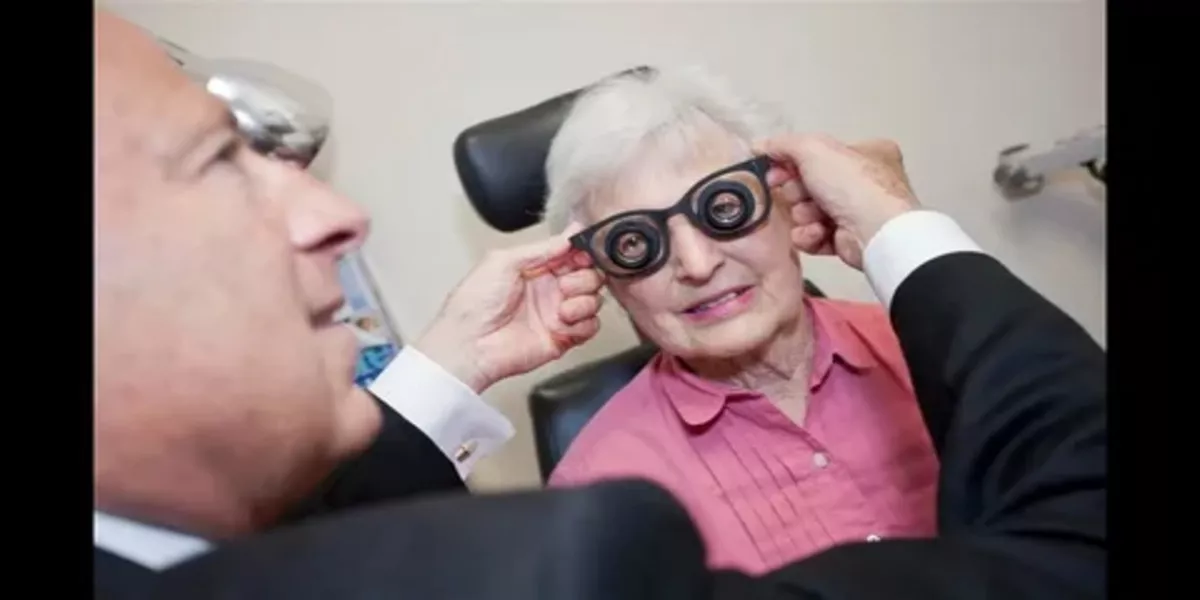
- Magnifying devices
- Audio book services
- Large-print keyboards
- Talking watches and timers
Training is critical. Many people receive a device but never feel comfortable using it. Rehabilitation specialists take time to teach techniques step by step. Skill increases, frustration drops, and the device becomes part of daily life instead of a reminder of loss.
Technology then becomes a bridge back to work tasks, hobbies, and personal learning.
4. It Supports Emotional Adjustment and Mental Health
Vision loss often creates grief, anxiety, and uncertainty. People may withdraw socially or feel like a burden. Vision rehabilitation does not overlook this human reality. Counseling and peer support groups are common parts of care.
Talking with others who understand the journey helps reduce isolation. People learn coping strategies and recognize that confidence can return in stages. Families also receive guidance on communication and support roles.
The result is emotional resilience. When someone believes they can adapt, they engage in training more fully. Confidence becomes both psychological and practical.
5. Vision Rehabilitation Strengthens Orientation and Mobility Skills
Traveling independently shapes quality of life. Orientation and mobility training focuses on safe navigation indoors and outdoors. Individuals learn to use landmarks, auditory cues, and tools like the white cane.
Instructors teach route planning for familiar locations like grocery stores, workplaces, and community centers. Practice builds trust in movement patterns.
Over time, the world feels larger again. People attend appointments, meet friends, and participate in public life with greater assurance. This shift from avoidance to participation is a major confidence milestone.
6. It Helps People Stay Engaged in Work and Meaningful Activities
Vision loss can disrupt careers and daily roles. Vision rehabilitation specialists assess job tasks, hobbies, and responsibilities, then recommend adaptations that keep people active.
Examples include:
- Task lighting improvements
- Enlarged documents
- Voice-activated tools
- Task breakdown strategies
- Workplace education for colleagues
By reframing tasks instead of abandoning them, people maintain purpose. A person who continues to write, garden, manage finances, or contribute to a community role experiences a real sense of continuity. Identity feels intact.
That sense of usefulness directly fuels confidence.
7. Vision Rehabilitation Encourages Long-Term Self-Management
Vision needs change over time. Conditions may stabilize or progress. Rehabilitation programs teach people how to self-monitor, advocate for services, and seek updates to devices when necessary.
Education covers:
- Eye health follow-up
- Signs that tools need adjustment
- Resources for transportation, reading services, and vocational support
- Strategies for problem solving when new barriers appear
Instead of feeling dependent on unpredictable help, individuals gain an ongoing plan. Confidence grows from knowing there is a pathway forward, not just a one-time solution.
Why These Seven Elements Work Together
Each component addresses a different layer of confidence: physical safety, cognitive skill, emotional stability, and social connection. When combined, the effect compounds. Someone begins to experience success in daily tasks. Success leads to more engagement. Engagement builds new habits. Habits rebuild identity.
Vision rehabilitation is therefore not a single appointment. It is a structured journey driven by collaboration among specialists, families, and the individual.
Getting Started With Vision Rehabilitation
The first step is an evaluation from an optometrist or ophthalmologist who can refer to vision rehabilitation services. Many hospitals, low vision clinics, veterans programs, and community agencies offer coordinated support.
People who benefit include:
- Individuals with macular degeneration
- People living with diabetic eye disease
- Stroke survivors with visual field loss
- Those with glaucoma or hereditary eye conditions
- Anyone experiencing functional difficulty from vision impairment
Beginning early leads to stronger outcomes. Skills develop before frustration becomes overwhelming.
A New Definition of Confidence
Confidence with low vision does not mean pretending nothing changed. It means learning new methods, trusting adaptive tools, and recognizing personal capacity.
Vision rehabilitation helps people take control of that process. It encourages independence, safety, connection, and a renewed sense of self. For many, it marks the turning point from fear to possibility.
Vision loss may change how someone lives. It does not remove the ability to live well.