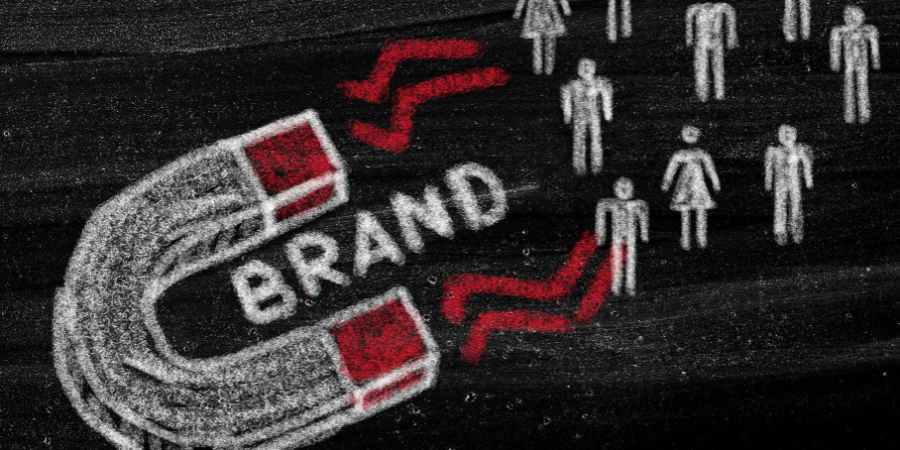
You have probably scrolled past hundreds of brand ads this week. How many are stuck?
Most brands look the same. Same clean fonts. Same safe color palettes. Same corporate tone. Nothing grabs you. Nothing lingers.
Now think about Duolingo’s green owl guilt-tripping you about a missed Spanish lesson. Or the Geico Gecko cracking deadpan jokes between football games. You remember them without trying. That is a brand mascot strategy doing its job.
A brand mascot is a character, human, animal, or invented, that gives a brand a face and a feeling. When built with intention, a mascot becomes the emotional shortcut between your brand and your customer’s memory.
This guide covers everything: what a brand mascot is, why it works psychologically, how to build one from the ground up, and real brand mascot examples that show what great execution looks like.
By the end, you will have a clear picture of how to build a brand mascot strategy that actually earns attention, and keeps it.
What is a Brand Mascot?
What is a mascot in branding, and what makes it different from a logo?
A logo is a visual mark. A mascot is a character with a personality.
Brand mascots’ meaning goes beyond design. A mascot carries values, tells stories, and builds relationships over time. It is the brand’s personality made visible.
Mascots can be animals (Tony the Tiger), humans (the Amul Girl), mythical creatures (the Michelin Man), or abstract characters (the M&M’s candy crew). What they share is this: they feel alive. Customers form attachments to them the same way they do to characters in movies or books.
Why does a mascot stick in memory when a logo does not?
The brain processes human-like characters differently from symbols or text. A concept called anthropomorphism kicks in, we instinctively assign emotions and intentions to characters with faces. Once that happens, the brand stops being a company and starts feeling like a relationship.
Research in consumer psychology consistently shows that emotional brand experiences increase purchase intent significantly. Mascot-led campaigns outperform non-mascot ads in brand recall studies, often by large margins. Nielsen data suggests branded characters can improve ad recall by up to 41% compared to standard creative.
The simpler version: people remember faces. Faces carry feelings. Feeling drives buying decisions.
Brand Mascot Benefits That Go Beyond Looking Memorable
What are the real brand mascot benefits for a business?
A mascot is not decoration. These are the tangible things it does for a brand:
- Brand Recall: A distinctive character lodges itself in memory far faster than a tagline or color palette. Think of 50 popular brand mascots, you likely know most of them on sight, even if you have not seen them recently. That recall compounds over years.
- Emotional Connection: People do not become loyal to companies. They become loyal to personalities they trust. A mascot with a consistent voice and point of view gives customers something to feel connected to, which keeps them coming back without needing a constant discount.
- Differentiation in Crowded Markets: In categories where every brand looks interchangeable, insurance, fintech, cleaning products, food delivery, a mascot gives you instant visual differentiation. Customers know who you are before they read a single word.
- Content Marketing Leverage: A mascot gives your team a creative anchor. Every social post, email, video, and campaign has a built-in character to write around. This makes content faster to produce and more consistent in tone.
- Social Media Engagement: Duolingo’s owl is one of the clearest examples. The brand built a separate social media presence around the mascot’s personality, not the product, and grew tens of millions of followers through pure character-driven content. That is earned attention, not paid.
How to Create a Brand Mascot: The Full Step-by-Step Process
What is mascot strategy, and where does the process begin?
A mascot strategy is the deliberate system behind how a character is created, deployed, and maintained across every brand touchpoint. It covers personality, visual design, voice, backstory, and long-term consistency.
Here is how to build one that holds up over time:
Step 1: Define Your Brand Personality Before You Draw Anything
Every mascot that works is a reflection of the brand behind it. Before a single sketch exists, you need to know who your brand actually is.
Write down three to five personality traits. Not marketing jargon, real human traits. Is your brand the confident expert in the room? The friendly neighbor? The sharp-tongued realist? The quiet professional people trust with serious things?
These traits become the mascot’s DNA.
A cybersecurity brand built on trust and precision needs a calm, authoritative character, not a jittery cartoon rabbit. A snack brand targeting teens needs energy, irreverence, and humor. Get the personality wrong and the mascot fights the brand instead of supporting it.
Practical Tip: Ask your team to describe your brand as a fictional character, a movie genre, and a type of person at a party. The patterns that emerge across those three exercises reveal your actual brand personality, often more honestly than any brand workshop.
Step 2: Know Your Audience Before You Know Your Mascot
Your mascot is not for you. It is for your customer.
A mascot should feel familiar to your audience, like a character they already love, or a person they already want to know. Age, humor style, cultural references, and values all shape what will land.
Duolingo understood their audience was socially-connected adults who avoid things they should do. So the owl became a passive-aggressive, meme-fluent presence that leaned into that exact behavior. It was designed around the audience’s psychology, not around what a language app is ‘supposed’ to look like.
Practical Tip: Go through your customer reviews, DMs, and comments. Pay attention to the words people use, the jokes they make, the frustrations they voice. That natural language is the voice your mascot should speak in.
Step 3: Choose the Mascot Type That Fits Your Brand
There are four directions, and each carries different emotional associations:
- Human characters feel relatable and warm. Good for lifestyle, food, professional services, and brands where trust is the central promise. Example: Mr. Clean, Wendy’s.
- Animal characters are flexible, cross-cultural, and emotionally safe. They work in nearly every industry because they carry familiarity without political baggage. Example: Geico Gecko, Tony the Tiger.
- Fictional or fantasy characters are completely ownable. Nobody else has your invented creature. Great for tech, gaming, and brands that want to signal imagination. Example: Michelin Man.
- Object or product characters work when the product itself can be personified without feeling forced. Example: M&M’s candy characters, the old Pringles mascot.
Fashion brand mascot strategy tends to use iconic symbols over full characters, think Lacoste’s crocodile or the Ralph Lauren polo rider. Clothing brand mascot strategy in streetwear often goes bolder with illustrated characters that carry an attitude.
One useful exercise: look at the 50 popular brand mascots in your industry. If they all use animals, a human character may stand out. If they all use humans, a well-designed creature could be more memorable. Differentiation starts with the type you choose.
Practical Tip: Sketch your mascot idea as three different types, animal, human, and abstract. Show them to five customers without context. Their reactions will tell you more than any strategy document.
Step 4: Design the Character – Visual Identity and Personality Together
Design and personality are not separate phases. They happen together. Every visual choice should carry a personality implication.
Round shapes signal friendliness and approachability. Sharp angles read as bold or edgy. Warm colors feel welcoming. Cool tones feel precise. Big expressive eyes build emotional connection. Restrained, minimal designs project expertise.
Your mascot also needs a defined personality document, not just a visual. Before a designer draws anything, write a short character brief: What does this character believe in? What makes them laugh? How do they respond when something goes wrong? What would they never say?
The Amul Girl has run in Indian advertising since 1967 with almost no major redesign. Her power is in her consistency. Simple, bold, and immediately recognizable, and her personality (sharp, witty, culturally aware) has stayed so consistent that generations of Indian consumers have grown up with her.
Practical Tip: Ask your designer to create the mascot in at least five poses and three emotional expressions, happy, concerned, and excited at minimum. A mascot that can only smile has nowhere to go creatively.
Step 5: Build a Backstory and a Voice
This is the step most brands skip. And it is why most mascots stay shallow.
A backstory does not need to be a published novel. But internally, your team should know who this character is, where they came from, and what they stand for. That knowledge creates consistency across every piece of content, every caption, every campaign idea.
The Geico Gecko was famously an accident, a temporary placeholder idea that tested so well it became permanent. But once he had a voice (British accent, dry wit, slightly put-upon attitude), a backstory (a spokesperson who did not exactly choose the job), and a consistent personality, he became one of the most recognizable mascots in American advertising. The design alone did not do that. The voice did.
Practical Tip: Write a one-page mascot document covering: who they are, what they value, how they talk, five phrases they would use, and five phrases they would never say. Share it with every copywriter, designer, and social media manager on your team.
Step 6: Integrate the Mascot Across Every Marketing Channel
A mascot that only appears on your homepage is a wasted investment.
The mascot marketing strategy that actually builds brand equity is one where the character shows up consistently, on the website, in ads, in social content, in emails, on packaging, in customer service conversations. Everywhere the brand lives, the mascot lives.
This is what separates mascot marketing strategy from mascot decoration. Duolingo’s owl is not just in the app interface. It has its own social media presence, appears in trending cultural conversations, shows up in physical stunts, and drives campaigns that have nothing to do with selling premium subscriptions. The mascot became the brand.
Practical Tip: Map your five highest-traffic customer touchpoints. For each one, define exactly how the mascot appears: what it looks like at that scale, what it says, and what emotional note it hits. Touchpoints without a mascot presence are missed opportunities.
Step 7: Lock in Consistency With a Mascot Style Guide
The most common reason a mascot loses its power is inconsistency. A mascot that looks slightly different in every campaign stops being recognizable.
A mascot style guide defines the rules: approved color values, proportion guidelines, minimum display sizes, background usage, animation principles if applicable, tone of voice rules, and a clear list of wrong-usage examples.
The style guide is the mascot’s constitution. Every designer, agency, and freelancer who ever works on your brand needs a copy.
Practical Tip: Do not just show what the mascot should look like. Show what it should never look like, stretched, recolored, wrong expression, wrong context. Wrong-usage examples prevent the mistakes that slowly erode brand recognition.
Step 8: Measure What the Mascot Is Doing for Your Brand
Creative work needs accountability. Track what the mascot is actually contributing.
Useful metrics: brand recall rates in customer surveys, engagement rate on mascot-led social content versus non-mascot content, click-through rates on mascot ads versus standard creative, and customer sentiment analysis over time.
The Michelin Man has been redesigned multiple times since his 1898 debut. The Amul Girl gets updated outfits and commentary to stay connected to current events. Mascots that refuse to evolve eventually feel dated. The best brand mascot strategy builds in periodic reviews to assess whether the character is still connecting the way it should.
Practical Tip: Run an unprompted brand recognition survey with a sample of your target audience every six to twelve months. Ask them to name or describe your brand character. The percentage who can do it without a prompt is your mascot equity score, and it is one of the most honest measures of long-term brand health.
Brand Mascot Strategy Examples: 5 That Got It Right
What do the best brand mascot strategy examples have in common?
They were all built with a clear purpose. Not just to look appealing, to do a specific job for the brand.
Duolingo Owl: When a Mascot Becomes the Brand Personality
The Duolingo owl started as a simple in-app notification character. Then the social media team made a bold decision: let the owl have a real personality on social platforms, chaotic, self-aware, and deeply meme-literate.
The result was millions of followers, viral moments, and organic brand awareness that no paid media budget could replicate. The mascot marketing strategy here was rooted in audience understanding. Duolingo knew its users were chronically online adults who relate to humor about procrastination. So the owl became that, a character who genuinely felt like one of them.
Amul Girl: The Mascot That Stayed Relevant for 57 Years
The Amul Girl has appeared in Indian advertising since 1967. She comments on current events, sports headlines, political moments, and pop culture, all through punchy wordplay and her unchanged visual identity.
Her longevity is a masterclass in one principle: give your mascot a point of view. A mascot with opinions and cultural awareness stays relevant across decades. One that just smiles and holds a product runs out of things to say.
This is one of the most important brand mascot strategy examples in the world because it proves mascots are long-term assets, not campaign-specific tools.
Michelin Man: The Product Became the Character
The Michelin Man, known as Bibendum, is made entirely of tires. That is not a design detail, it is a strategic choice. The mascot visually embodies the product. His presence communicates durability and trustworthiness without a word of copy.
He is consistently ranked among the most recognized brand mascots globally. His best brand mascot strategy lesson: when your character literally is your product, every appearance is also a product demonstration.
Geico Gecko: Personality in a Category That Has None
Car insurance is not exciting. Geico used Gecko to fix that. A friendly British-accented lizard gave the brand a personality that was approachable, slightly self-deprecating, and genuinely funny, everything the insurance industry is not.
Brand recall for Geico improved dramatically after the Gecko became central to their advertising. The mascot marketing strategy worked because it addressed the real barrier to engagement: nobody wants to think about insurance, but people enjoy spending time with a character they like.
M&M’s Characters: Building an Ensemble Cast
M&M’s did not create one mascot. They created a cast, Red (sarcastic), Yellow (naive and lovable), Green (confident), and others. Each character appeals to a different emotional frequency.
This approach gives the brand content range. Different characters can lead different campaigns, speak to different audience segments, and carry different story arcs. Brand mascot examples like M&M’s show that one mascot is a foundation, an ensemble is a content engine.
Common Mascot Mistakes That Kill Brand Equity
What goes wrong with a mascot branding guide in practice?
- Overcomplicating the Visual Design: If your mascot needs three minutes to explain, it will not survive contact with real-world media environments. The most durable mascots are simple enough to be drawn from memory by a ten-year-old. Complexity is the enemy of recognizability.
- No Consistency Across Channels: A mascot that looks noticeably different across your website, packaging, and paid ads trains customers to not recognize it. Style guides exist for exactly this reason, use them.
- Mascot Without Strategic Purpose: A mascot created purely to add visual interest adds no brand value. Every design choice, personality trait, and deployment decision should connect back to the brand’s core promise. Cute without purpose is just noise.
- Wrong Fit for the Audience: A mascot is only as effective as its cultural and emotional resonance with the people it is trying to reach. A playful cartoon character for a high-stakes financial brand creates confusion. A stiff corporate character for a Gen Z audience creates indifference. Audience fit is non-negotiable.
- Skipping the Style Guide: This is the most common small-business mistake. Without documented rules, every freelancer and designer interprets the mascot differently. Six months in, you have five versions of the same character and none of them feel like the same brand.
Tools to Build Your Brand Mascot (At Every Budget Level)
What platforms help you execute a mascot branding guide on any budget?
- Canva: The right starting point for early-stage brands and solopreneurs. Canva’s character illustration tools have improved significantly, you can build a working mascot concept without design skills. Use it for initial exploration and stakeholder presentations before committing to a final design direction.
- Fiverr: Ideal when you have a clear brief and need affordable custom illustration. Mascot designers on Fiverr range from $100 to $500 for a full character package. The key is providing a detailed creative brief, the clearer your direction, the better the result.
- 99designs: Built for brands that want creative options before committing. Launch a contest and receive 15 to 30 unique mascot concepts from different designers. Higher investment (typically $500 to $2,000+), but the variety reveals directions you would not have considered alone.
- AI Design Tools (Adobe Firefly, Midjourney): Excellent for concept exploration and mood board creation. Generate dozens of visual directions in hours. Not suited for final production files, use AI to find your direction, then hand off to a professional illustrator for execution.
Budget path that works: Start with Canva or AI tools to nail the concept. Move to Fiverr for your first real design at a manageable cost. Scale to 99designs or a branding agency when you are ready to invest in a polished, production-ready character system.
Does Your Brand Actually Need a Mascot?
What is the 3 7 27 rule of branding and where does a mascot fit in?
The 3 7 27 rule of branding suggests customers need roughly 3 exposures to recognize a brand, 7 to remember it, and 27 to feel genuine familiarity with it. A mascot shortens that journey because characters are processed emotionally, not just visually. Emotional processing accelerates memory formation. So a brand with a mascot can build recognition faster than one without.
What are the 7 key elements of brand strategy and how does a mascot serve them?
The 7 key elements of brand strategy typically include brand purpose, vision, values, target audience definition, brand personality, visual identity, and brand voice. A well-built mascot directly serves at least three of those: personality, visual identity, and voice. For many brands, especially those in consumer-facing categories, those three are the hardest to get right. A mascot solves all three simultaneously.
When is the right time to invest in a mascot?
A mascot makes strong strategic sense when:
- Your market is crowded and differentiation through product features alone is not working.
- Your brand targets consumers directly, though B2B mascots can work well when the category is traditionally cold or transactional.
- You are committed to content marketing and social media over a multi-year horizon.
- Your brand personality is clear, consistent, and distinctive enough to be embodied by a character.
A mascot is probably not the right priority when:
- You are at a pre-revenue stage with no capacity for consistent execution.
- Your brand operates in a category where pure authority is the value proposition (some legal, medical, or institutional contexts).
- Your team does not have the bandwidth to maintain a consistent mascot presence, an inconsistent mascot is worse than no mascot.
Conclusion
Mascots are not quick wins. They are long-term investments in brand equity.
The brands with the most recognized mascots, Duolingo, Geico, M&M’s, Amul, did not get there with a single campaign. They showed up consistently, evolved thoughtfully, and kept their character at the center of how they communicated.
A strong brand mascot strategy gives you something most brands struggle to build: a face people remember, a voice they recognize, and a personality they actually want to spend time with.
Start with your brand personality. Let that shape your character. Build with consistency from day one. And give it time, because the brands with the most memorable mascots are the ones that treated theirs as a permanent team member, not a design project.
Frequently Asked Questions
What is a brand mascot strategy?
A brand mascot strategy is the intentional system behind creating, deploying, and maintaining a character that represents your brand. It covers the mascot’s design, personality, voice, backstory, and how it shows up consistently across every marketing channel over time.
How much does it cost to create a brand mascot?
Costs vary widely based on execution level. A basic mascot on Fiverr can cost $100 to $500. A 99designs contest ranges from $500 to $2,000. Agency-level mascot development with full style guides and animation can run $5,000 to $50,000 or more. Starting lean and scaling investment as the mascot proves its value is a sensible approach for most brands.
Are mascots effective for small businesses?
Often more effective than for large brands. Small businesses struggle most with memorability and differentiation, exactly what a mascot addresses. A well-designed character can make a local business feel established and recognizable far faster than a polished logo alone. Many successful small businesses have built loyal communities almost entirely through a distinctive mascot.
Can B2B brands use mascots?
Yes, and the B2B brands that do it well stand out sharply. Mailchimp’s Freddie the chimp and HubSpot’s Sprocket are widely cited B2B mascot examples. The key is calibrating tone to buyer expectations, a B2B mascot in enterprise software should feel approachable and credible, not cartoonishly playful. The personality still needs to fit the audience.
How long does it take to build a mascot brand?
Initial character design takes two to eight weeks depending on complexity. Building genuine audience recognition around a mascot typically takes six to eighteen months of consistent, cross-channel presence. Mascot equity compounds over time, the brands with the most recognizable characters are the ones that stayed consistent for years, not the ones with the biggest launch budgets.
What are some brand mascot examples from fashion and clothing brands?
Fashion brand mascot strategy tends toward iconic symbols rather than full characters, Lacoste’s crocodile, Ralph Lauren’s polo rider, the Fred Perry laurel wreath. Clothing brand mascot strategy in streetwear often leans into bold illustrated characters that carry cultural attitude. Supreme’s box logo functions as a mascot more than a traditional wordmark, it carries a personality and a community identity that transcends the product.
What does brand mascots mean in modern marketing?
In modern marketing, brand mascot’s meaning has expanded beyond visual identity. A mascot today is a content strategy, a social media personality, a community anchor, and an emotional shortcut that accelerates brand familiarity. The best mascots are not drawn, they are written. Their personality, voice, and point of view matter as much as their visual design.