Cinco de Mayo is not Mexican Independence Day. That is the single most common mix-up about this holiday, and roughly 73% of Americans who celebrate it cannot explain what it actually marks.
The date commemorates a specific military battle in 1862, not a declaration of independence.
Here is what actually happened, why it matters, and how the holiday became bigger in the US than in Mexico itself.
Quick Highlights:
- Cinco de Mayo = May 5, 1862, the Battle of Puebla
- Mexico defeated French forces despite being outnumbered 3 to 1
- Mexican Independence Day is September 16, not May 5
- It is mostly celebrated in the US, not across Mexico
- Beer companies in the 1980s turned it into the holiday Americans know today
What Does “Cinco de Mayo” Mean?
Literally: “Fifth of May.” The name refers to the date of the Battle of Puebla, when a smaller Mexican army defeated French troops in a surprise victory. The name is simple. The history behind it is more interesting than most people realize.
The Real History Behind Cinco de Mayo
Mexico Was Broke in 1861
President Benito Juárez had a serious problem. Mexico had just come out of years of civil war, and the national treasury was empty. In July 1861, Juárez suspended debt payments to foreign creditors, including Britain, Spain, and France.
Britain and Spain negotiated and pulled out. France had bigger plans.
Napoleon III saw this as an opening to establish a French empire in Latin America. He sent troops to Mexico in late 1861. By spring 1862, approximately 6,000 well-equipped French soldiers were marching toward Mexico City.
The Battle of Puebla: May 5, 1862
The French army reached the city of Puebla on May 5, 1862. Defending it were around 2,000 Mexican soldiers under General Ignacio Zaragoza, many of them poorly armed, some carrying farm tools.
The French, considered one of the strongest armies in the world at that time, attacked twice. Both times, they were pushed back. By the end of the day, France had lost around 500 soldiers. Mexico lost fewer than 100.
Zaragoza sent a telegram to Juárez that evening: “The national arms have covered themselves with glory.”
It was a stunning upset. But the war was far from over.
What Happened After?
France regrouped. A year later, in 1863, a larger French force captured Mexico City. Napoleon III installed Maximilian I as Emperor of Mexico. The occupation lasted until 1867, when Juárez, with US support following the American Civil War, drove the French out for good.
So the battle did not end the war. What it did was give Mexico a powerful symbol, a moment where an outnumbered force held its ground against a global military power.
Cinco de Mayo vs. Mexican Independence Day
This table clears up the confusion:
Cinco de Mayo | Mexican Independence Day | |
Date | May 5 | September 16 |
Year | 1862 | 1810 |
What it marks | Battle of Puebla | Grito de Dolores (Cry of Independence) |
Key figure | General Ignacio Zaragoza | Miguel Hidalgo |
Federal holiday in Mexico? | No | Yes |
Celebrated widely in Mexico? | Mostly in Puebla | Nationwide |
September 16 is the actual Mexican Independence Day. On that night, the President re-enacts the Grito de Dolores from the National Palace in Mexico City, and millions celebrate across the country. Cinco de Mayo does not come close to that scale inside Mexico.
How is Cinco de Mayo Celebrated in Mexico?
Mostly in the state of Puebla, and even there, it is a regional event, not a national one.
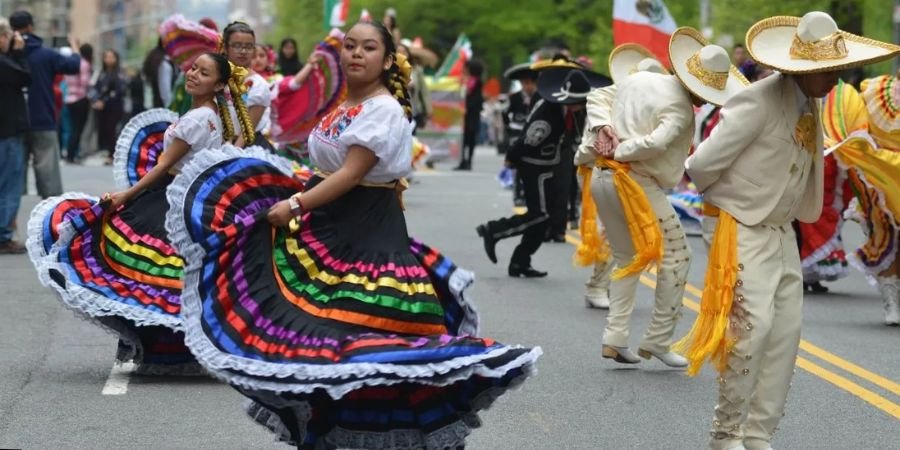
- Military parades through Puebla city center
- Reenactments of the Battle of Puebla with thousands of participants
- Speeches by local officials
- Schools and universities may hold cultural events
Banks, government offices, and most businesses stay open. It is not a federal holiday.
In most other Mexican states, May 5 passes like a regular Tuesday.
How Cinco de Mayo Became Huge in the United States
1862 = California origins. Mexican-American communities in California began celebrating the Battle of Puebla almost immediately. They saw it as a symbol of resistance, particularly meaningful during the US Civil War, when democratic values felt under threat.
1960s = The Chicano Movement. Mexican-American activists embraced Cinco de Mayo as a cultural pride event, helping it spread beyond California.
1980s = Beer companies changed everything. Anheuser-Busch and other alcohol brands launched aggressive marketing campaigns targeting Hispanic consumers. Cinco de Mayo became a commercial event. Today, Americans spend roughly $600 million on beer alone during Cinco de Mayo weekend, figures that rival Super Bowl spending.
Traditional Cinco de Mayo Foods
In Puebla, the traditional dish is mole poblano, a rich, dark sauce made with dried chilies, chocolate, and spices, typically served over turkey or chicken. It takes hours to make and is genuinely distinct to the region.
Other foods associated with the holiday:
- Chalupas poblanas (small corn tortillas with toppings)
- Tamales
- Chiles en nogada (especially in the fall, but still linked to Pueblan cuisine)
- Churros and atole for street celebrations
Guacamole and generic tacos, while delicious, are not specific to this celebration. They became part of the American version.
Why is Cinco de Mayo Important?
The battle carries real symbolic weight. A small, underfunded army stopped one of the world’s most powerful military forces, at least for one day. For Mexican-Americans, particularly in communities that have faced marginalization, that story resonates.
The ongoing tension is between cultural authenticity and commercial celebration. Many Mexican-Americans welcome the visibility. Others feel the holiday has been stripped of its meaning by brands selling it as an excuse to drink margaritas.
Both feelings are valid. Knowing the real history helps you celebrate it better, whichever way you choose.
Frequently Asked Questions
Is Cinco de Mayo a Mexican holiday? It is observed in Mexico, mainly in Puebla, but it is not a federal holiday. Most of Mexico does not treat it as a significant national event.
What happened at the Battle of Puebla? On May 5, 1862, around 2,000 Mexican soldiers defeated approximately 6,000 French troops. General Ignacio Zaragoza led the Mexican forces to an unexpected victory.
What do people eat on Cinco de Mayo? In Puebla, the traditional dish is mole poblano. In the US, the holiday is typically marked with tacos, guacamole, and margaritas, more Americanized than strictly traditional.
Why do Americans celebrate Cinco de Mayo? It started with Mexican-American communities in California in the 1860s and grew through the Chicano civil rights movement. Heavy marketing by beer and spirits brands in the 1980s pushed it into mainstream American culture.