Leaders of artificial intelligence convened in New Delhi at the India AI Impact Summit gave powerful and even conflicting statements regarding the rate of AI transformation of employment, regulation, and leading the world in technology. The most followed voices included OpenAI chief executive Sam Altman and Anthropic CEO Dario Amodei, who discussed the increasing debate in the industry on the economic implications of advanced AI systems.
Altman, who was present at the periphery of the summit, admitted that AI is already making an impact on the labor market. Nevertheless, he warned against simplistic arguments that all jobs losses could be attributed to the use of AI. Altman believes that on the one hand, some of the companies might be applying artificial intelligence as a convenient way to explain layoffs that were pre-destined due to other reasons that relate to businesses.
He termed this as an act of misrepresentation as though real displacement is underway, it is not necessarily the main factor that causes workforce reduction. Altman indicated that the more profound effects of automation and AI taking over human job activities will become apparent in the years ahead as abilities advance.
In interviews at the event, he said that we would observe further actual displacement with time and that new types of employment would also be created as workers respond to technological change.
His statements are made in the wake of numerous large international companies such as Amazon, IBM, Salesforce, and HP pitting artificial intelligence when declaring reorganization or downsizing, although there is no proven evidence that they are overstating the use of AI.
Dario Amodei of Anthropic has become more urgent on the topic. He has also cautioned that in the coming five years, artificial intelligence will devoid many white-collar positions at the entry level, especially those where the person does repetitive work on a computer. Other industry leaders, such as Google DeepMind CEO Demis Hassabis, have also noted precursors of decreased hiring of junior jobs as automation tools are more competent.
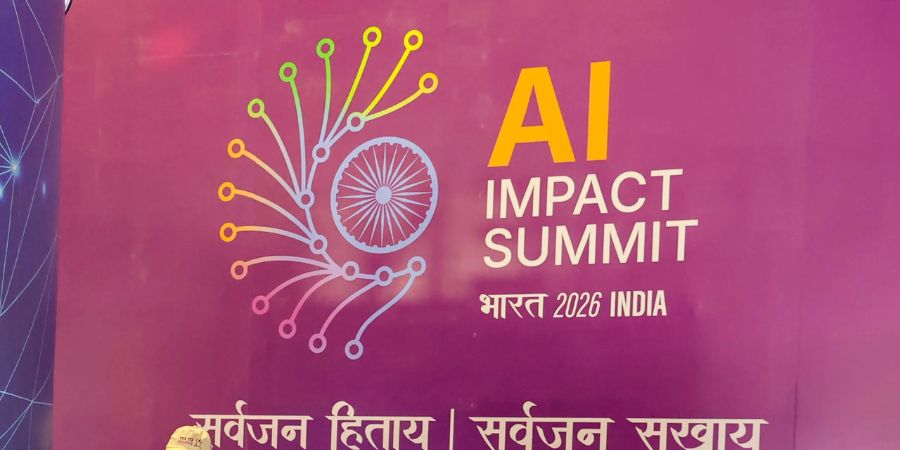
The India AI Impact Summit has now become a leading platform in terms of discussions in policy on the global level. The event took place at Bharat Mandapam in New Delhi and saw the leaders of hundreds of countries, including government ministers and technology executives, and discussed the ways to govern, innovate, and transform the economy through AI.
This was a common theme with India gaining more and more influence in the sector. Altman said that the nation could become a full-stack AI leader because it had a growing digital infrastructure and that its number of users was growing fast. In the meantime, Amodei commended the ambition of India and proposed it would potentially lead the process of establishing the global standards of AI and safety.
The summit was not reviewed purely on policy matters. One of the most common scenes in a group picture with the Prime Minister Narendra Modi was the moment when the Altman and Amodei were seen not knowing whether to hold hands as a sign of unity in a group, which is an indication of the competition between their businesses. In 2021, former OpenAI leaders, including Amodei, formed Anthropic following a dispute on the future of AI advancement.
With governments around the world contemplating the issue of how to regulate artificial intelligence to keep pace with innovation, the lack of consistency in the views expressed at the summit shows a key issue. Manufacturers are optimistic that AI will revolutionize the economy, but still unclear as to when disruption will come and how the societies should prepare to face it.