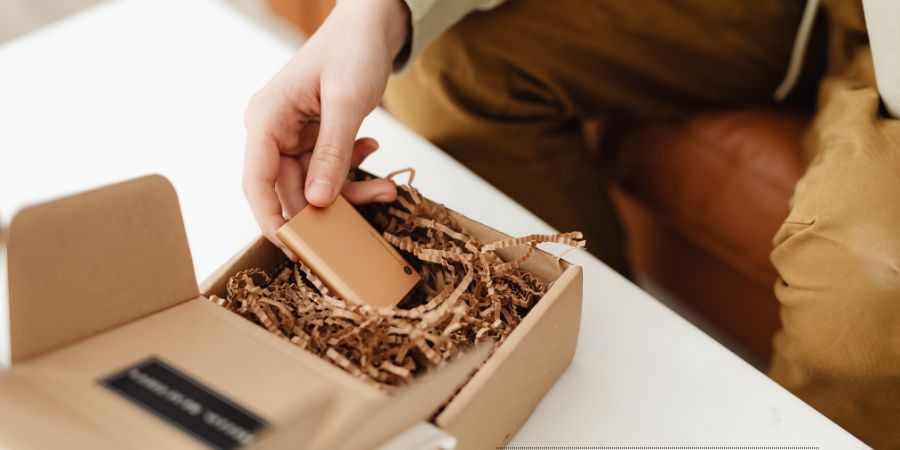
Consumers and businesses alike are shifting away from single-use plastics and toward materials that minimise environmental impact while still protecting products during transport and storage. Sustainable packaging uses components which can be renewed or recycled or biodegrade to protect the environment because these materials do not remain in landfills and do not damage natural ecosystems.
The paperboard-based solutions which include pappedeckel perfectly match current market trends. The products serve as dense and strong compostable materials which function as eco-friendly replacements for synthetic lids and covers that traditional products use. The material pappedeckel develops its structure through multiple layers of paper fibres which users can recycle after usage ends while the material meets requirements for circular economy implementation and environmental sustainability which consumers now demand.
This guide walks you through the materials, properties and benefits that make pappedeckel material a leading choice for sustainable packaging today.
What is pappedeckel material
Pappedeckel material is a dense, multi-ply paperboard commonly used for premium lids, certificate folders, and rigid boxes. The name points to the board’s traditional role as a cover or lid, but its modern use spans retail and industrial applications. When someone asks what is pappedeckel material they usually want to know about surface finish, stiffness, and manufacturing tolerances. Key lab measurements include basis weight, grammage, and a controlled measure of thickness that affects paperboard density and tactile quality.
Composition and structure
At its core the material is layered pulp. Mills combine groundwood or recycled fiber with surface liners that may receive coatings for print quality. That layered build gives pappedeckel boards a high carton board strength relative to low-cost cardboard. Typical grades vary from thin decorative boards to thicker rigid formats. Designers commonly buy pre-cut pappedeckel sheets for conversion, or they source rolls for custom cuts.
Important structural considerations include fiber furnish, clay or pigment topcoats for printability, and the binder system. These determine packaging durability in use and how well the board will accept finishing processes such as foil stamping, embossing, or high-resolution litho printing.
How pappedeckel is made
The manufacturing process begins with three stages which include pulping and refining followed by sheet formation. The process requires pressing of layers which then undergo drying through controlled tensioning. The high-quality lines will monitor moisture levels to achieve uniform thickness and maintain carton board strength.
The mills can apply a clay or mineral coating to their top surface after they complete the drying process. The coated roll is converted into pappedeckel sheets through slitting or it is cut according to customer specifications.
The production process of pappedeckel enables brands to establish their acceptable limits for folding and die-cutting and lamination processes. The technical data sheets which mills publish should include basis weight and caliper tolerance along with recommended adhesives.
Key properties to check
When evaluating board options, focus on:
- Paperboard density and basis weight. Density affects stiffness and perceived quality.
- Bending stiffness and fold endurance. These metrics predict performance during box forming.
- Surface finish and ink holdout. A high-quality topcoat improves print contrast and foiling.
- Carton board strength under compression and edge crush tests for stacked displays.
- Resistance to moisture and abrasion for products with shipping exposure.
If brands require both beauty and strength, pappedeckel material often offers the best balance among rigid paperboard choices. It performs well in display and retail settings while remaining compatible with many finishing techniques.
Pappedeckel versus other boards
Searches for pappedeckel vs cardboard differences reveal two main contrasts. Cardboard used for corrugated shipping cartons emphasizes impact and stacking strength. Pappedeckel emphasizes surface quality and stiffness in thin calipers. Compared to plain carton board, the smoother surface of pappedeckel supports premium printing and tactile finishes without adding excessive mass.
Pappedeckel frequently competes with other high-grade fiberboards. If you need a stronger, heavier section consider specifying a heavier pappedeckel grade rather than switching to corrugated, because the finish and printability will remain superior.
Applications and industrial paperboard uses
Common applications include luxury lids, certificate and photo album covers, cosmetic boxes, and stationery. Many brands select pappedeckel packaging when the unboxing moment is part of the product promise.
Beyond retail, industrial paperboard uses include tooling templates, machine protection pads, gaskets for short-run assemblies, and inserts for electronic components. When tolerances are tight manufacturers select rigid paperboard material based on lab certificates rather than visual inspection.
For packaging converters the available pappedeckel sheets make planning simpler. Sheets reduce waste on die-cut machines and improve yield for limited edition runs.
Converting pappedeckel sheets: practical tips
When converting sheets to finished products, follow these rules:
- Align the grain to bending directions to reduce cracking on folds.
- Use adhesives compatible with pigmented or coated surfaces. Water-based adhesives often work well for eco friendly packaging board.
- Test embossing and stamping on a small run to confirm impression depth and surface reaction.
- For laminated covers, verify that lamination adhesives do not cause fill transfer or surface discoloration.
Proper pre-press proofs and small-format trials avoid costly errors in full production.
Sustainability profile and recycling
Many buyers ask is pappedeckel recyclable and the answer depends on finish and coatings. Uncoated or water-varnished boards typically enter standard paper recycling streams. Boards with permanent polymer laminates or heavy metallic coatings may not. For circularity favor boards specified as recycled paperboard packaging or those carrying PCR content claims.
Using sustainable packaging material principles, brands can ask mills for:
- Recycled fiber content percentages
- PCR certification or chain of custody documentation
- Information on whether coatings are water-based and de-inkable
Choosing an appropriate board positions the product within sustainable packaging solutions that minimize landfill input and reduce embodied carbon.
Performance testing and standards
Specify the tests you want from the supplier. Typical test data includes:
- Basis weight and caliper tolerance
- Bending stiffness and tensile strength
- Edge crush and compression for stacking
- Printability and bleed tests for chosen inks
Ask for samples and perform practical drop and stacking tests that reproduce shipping conditions. For display and retail, verify that packaging durability endures repeated handling without visible fraying or delamination.
Cost and life cycle considerations
On cost, pappedeckel sits between standard paperboard and specialty rigid boards. The premium finish commands a higher unit price but can reduce the need for additional sleeves or inserts. When you compare total packaging spend include transport, damage rates, and customer perception.
A lifecycle analysis that values reclaimed fiber often favors pappedeckel material when mills use cleaned recycled input. That creates a strong case for recycled paperboard packaging as a realistic choice for premium products that still aim for lower environmental impact.
Sourcing and certifications
When sourcing request mill data sheets and certificates. Key items to request:
- Certificates such as FSC or PEFC
- PCR or recycled content statements for recycled paperboard packaging
- Technical sheets showing grammage and folding endurance
Ask to see printed samples and cut panels from the actual production run. Insist on a physical sample of the pappedeckel material for packaging rather than relying on digital proofs alone.
Frequently asked questions
What is pappedeckel material good for?
Pappedeckel material is ideal for premium lids and rigid boxes where the finish and stiffness influence brand perception.
Is pappedeckel recyclable?
Yes, when free from permanent plastic laminates and heavy metallic finishes it is accepted by most paper recycling systems.
How pappedeckel is made?
Manufacturers form layered pulp sheets, press them under controlled moisture, and apply surface coatings. They then cut the rolls into usable pappedeckel sheets for converters.
What are pappedeckel vs cardboard differences?
Pappedeckel prioritizes surface quality and stiffness. Cardboard prioritizes practical shipping strength. Choose based on the role the packaging must play.
Can pappedeckel be part of sustainable packaging solutions?
Yes. When mills use recycled fiber and water-based coatings pappedeckel fits well into sustainable packaging material strategies.
Quick checklist for designers
- Request mill certificates and samples.
- Test folding and die-cut behavior on actual pappedeckel sheets.
- Confirm coating type to validate recyclability.
- Evaluate carton board strength for stacking and display.
- Specify adhesives that do not mar print or peel finishes.
Final thoughts
Pappedeckel material offers a compelling mix of finish, stiffness, and compatibility with premium printing and finishing. For brands that want a tangible sense of quality without sacrificing circularity, pappedeckel is a top candidate. Use pappedeckel packaging when the unboxing moment matters. Specify recycled content and water-based finishes to align with sustainable packaging material goals. When conversion, performance testing, and sourcing are handled deliberately, pappedeckel delivers both form and function.