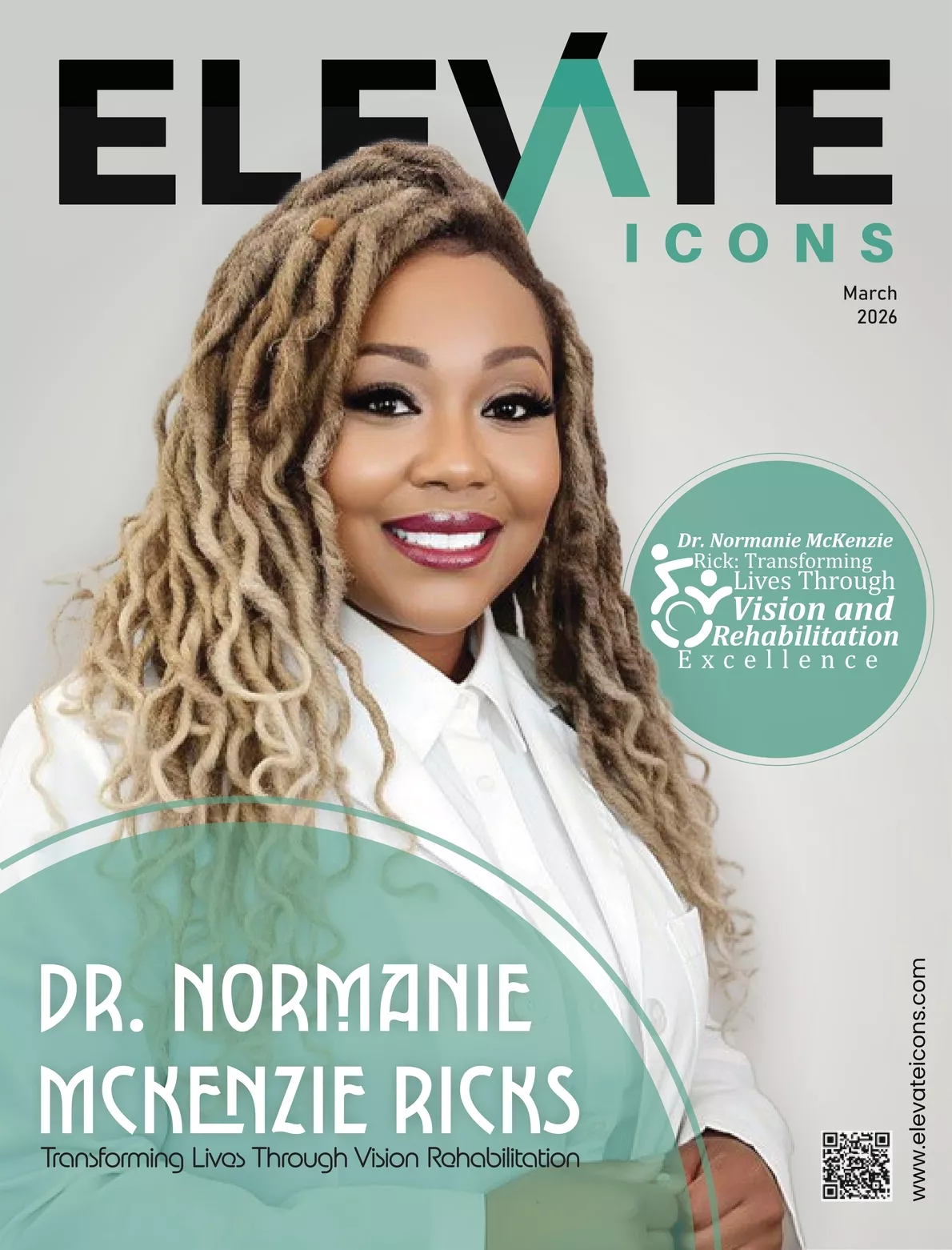
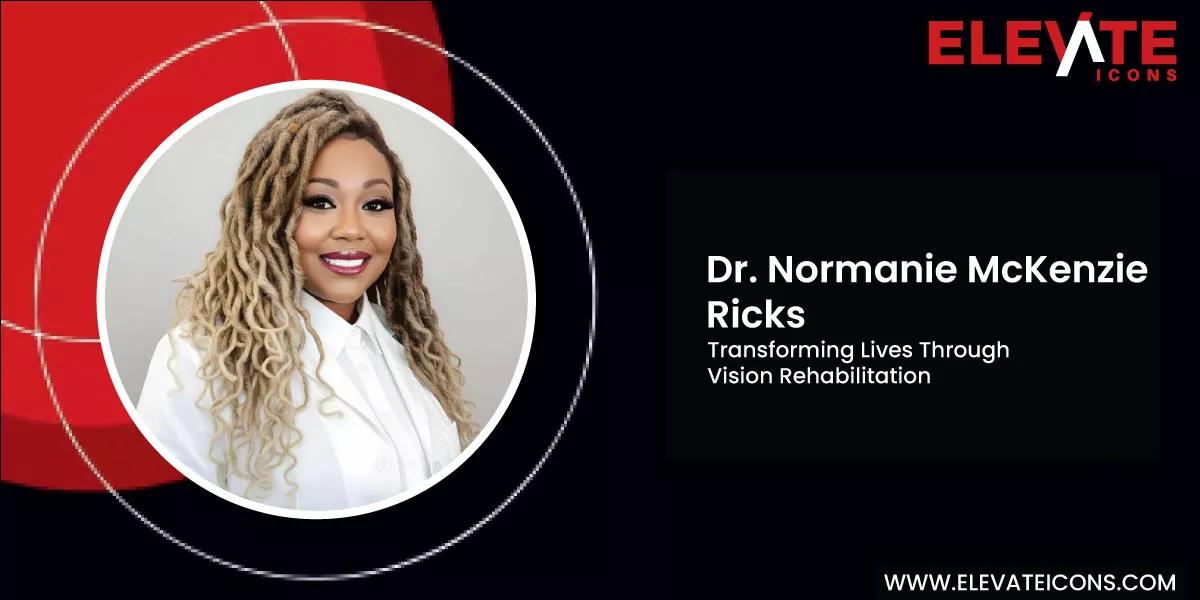
A purposeful career formed by service, science, and the mission to restore functional independence for patients of all ages!
Vision and neuro rehabilitation depend on patience, precision, and the steady rebuilding of daily function. The work asks for calm attention and a deep understanding of how the mind and body relearn familiar actions. This world of careful progress mirrors the journey of Dr. Normanie McKenzie Ricks, whose entire career grew from a drive to support others through recovery.
Her path started in the U S Navy, where she served as an occupational therapist. Those early clinical rooms held service members working through pain, injury, and difficult transitions. She guided them through exercises that required courage and discipline. During this period, she gained strong clinical skills along with the confidence to lead as a clinician and clinic manager. Military service gave her the drive to keep raising her standards and the focus to treat each individual with steady support and respect.
After her graduate training in occupational therapy, Dr. Normanie stepped into broader clinical and supervisory roles. Each stage added new layers of responsibility. She encouraged younger therapists, guided treatment plans, and refined her understanding of what patients needed during recovery. Every day taught her that healing runs deeper when care feels personal and consistent. That insight carried her forward.
Over time, she saw gaps affecting individuals with vision and neurological challenges. Many families searched for guidance while dealing with dizziness, visual strain, and life changes that disrupted simple routines. She felt a strong pull to create a center that offered advanced rehabilitation with an encouraging, disciplined spirit.
This led her to establish Achieve Vision Center, a company built to elevate community care. The center delivers specialized vision and neuro rehabilitation with a blend of clinical strength and steady reassurance. It serves as a place where patients regain confidence in daily movement and families receive answers with clarity.
Dr. Normanie moves forward with the same service-driven energy that guided her from the start. Her journey shows how disciplined care, strong clinical grounding, and a clear mission can uplift an entire community through dedicated company leadership.
Let us learn more about her journey:
Filling a Critical Gap in Vision Care
The story begins with a population that few people noticed. Children who struggled to read despite trying their hardest. Adults recovering from neurological events who felt the world tilt or blur in ways glasses could not fix. Educators and families knew something was wrong, yet traditional vision care often stopped short of identifying the root cause. This missing link in care left many without answers.
Into this gap stepped Dr. Normanie, who built Achieve Vision Center to fill a gap for patients whose vision challenges stem from neurological conditions or learning-related vision problems. Her mission carried a clear direction. The core vision has always been to empower individuals across the lifespan to regain functional independence through targeted vision therapy and rehabilitation, helping them strengthen reading, attention, handwriting, and daily living skills so they can thrive at school, work, and home.
How Rehabilitation Shapes Daily Life
Visual processing challenges do not remain isolated. They creep into daily routines, making reading slower, writing harder, and concentration exhausting. Rehabilitation becomes more than treatment. It becomes a pathway back to confidence.
Within this reality, Dr. Normanie offers a framework grounded in function. She shares that rehabilitation and adaptive strategies focus on restoring functional visual skills and compensatory strategies that directly affect everyday tasks such as reading comprehension, visual tracking, attention, and fine motor abilities like handwriting. As these foundations strengthen, patients often experience measurable improvements in academics, workplace performance, and overall confidence. At Achieve Vision Center, each program stays individualized so clinical gains translate into real-world improvements.
A Distinctive Approach in Delivering Care and Outcomes
Most vision centers stop at glasses or surface-level assessments. But neurological and developmental visual dysfunction requires a different lens. A deeper, more integrated approach.
This is the philosophy shaping Achieve Vision Center. Under Dr. Normanie’s leadership, the practice blends occupational-therapy principles with specialized vision-rehabilitation methods learned through training with leaders like Dr. Mary Warren and Dr. Mitchell Scheiman. Assessments remain evidence-informed, and therapy plans target the neurological and developmental roots of visual dysfunction. Outreach efforts such as school screenings and cross-disciplinary collaboration create a system where continuity of care becomes the norm rather than the exception.
Moments That Reinforce Purpose
Every clinician carries stories that stay with them. Stories where progress becomes visible. Stories where a patient’s world opens up again. These moments often become the anchor for why the work matters.
For Dr. Normanie, the most impactful experiences involve children whose reading abilities and confidence expanded through targeted vision therapy, and adults who regained essential visual skills after stroke or brain injury. Many transformations include measurable gains in reading, reduced letter omissions, improved handwriting, and restored independence with daily tasks. These outcomes continue to reinforce her drive to support underserved populations and strengthen advocacy for vision-focused rehabilitation.
Addressing Emotional and Mental Well-Being
Healing requires more than clinical precision. It requires a steady environment that supports emotional resilience, especially for patients navigating frustration or fear related to their visual challenges.
In her practice, emotional well-being is woven into every part of care. Dr. Normanie integrates confidence-building goals, family involvement, and realistic milestones to support patients beyond functional improvement. Outreach and education, including free school vision screenings and community programs, reduce stigma and guide families toward helpful resources, supporting mental health alongside rehabilitation.
Challenges in the Transition from Military Service to Entrepreneurship
The move from a structured military clinical career into civilian entrepreneurship demands a new set of skills. Many who attempt this shift face steep learning curves.
For Dr. Normanie, these challenges included private-practice logistics, referral-network development, regulatory navigation, and scaling services responsibly. She relied on her military leadership experience, clinical depth, ongoing training, and strong community partnerships to build Achieve Vision Center and later launch a nonprofit educational initiative aligned with her vision.
Incorporating Technology and Advanced Therapies
Vision rehabilitation evolves quickly, and success often depends on staying ahead of new therapeutic tools and evidence-based approaches.
Achieve Vision Center integrates contemporary vision-therapy tools and evidence-based protocols tailored to each patient’s neurological and developmental needs. Through extensive professional training, Dr. Normanie incorporates therapeutic modalities designed to enhance tracking, convergence, accommodation, and visual perception. All progress is tracked through outcome measures to ensure accuracy and transparency.
Unique Care Approaches Across Ages
Supporting patients across the lifespan requires nuanced strategies. Children need interventions that fit into their learning world. Adults need support that restores independence and function.
With younger patients, Dr. Normanie focuses on developmental vision issues related to handwriting, reading fluency, attention, and classroom participation. Interventions remain playful but purposeful, supported by family education. Adults, particularly those recovering from stroke, TBI, or facing progressive neurological conditions, receive therapy centered on compensatory strategies, neuroplasticity-driven exercises, and functional goals tied to work, driving, and daily living. Across all ages, programs are individualized and outcome-driven.
The Role of Advocacy in Spreading Awareness
Awareness shapes access. Without public understanding of neuro-visual challenges, many people never receive appropriate evaluation.
Through speaking engagements, podcasts, and publications, advocacy has become a core part of Dr. Normanie’s mission. She uses her platforms to address stigma, promote early screening, and encourage interdisciplinary collaboration. By doing so, she expands access and raises global awareness about the role of vision in learning and rehabilitation.
Shifting Misconceptions About Rehabilitation Therapy
Many common beliefs about vision care make it harder for patients to get the help they need. One misconception is that glasses fix everything. Another is that children simply outgrow learning-related visual issues.
Dr. Normanie works to undo these misconceptions. She reminds families that many visual dysfunctions are neurological or developmental and respond well to vision therapy and occupational therapy interventions. She also counters the idea that all children grow out of visual learning challenges, emphasizing the value of early identification and targeted intervention.
Leadership in the Context of Patient-Centered Care
True leadership in healthcare is measured by the systems built around patients and the teams developed to support them.
In Dr. Normanie’s view, leadership means advocating for patients, mentoring clinicians, and creating structures that prioritize individualized outcomes. Her style blends clinical excellence, service shaped by military experience, and entrepreneurial initiative aimed at expanding impact through education and community programming.
The Future of Occupational Therapy and Vision Rehabilitation
As research grows and awareness increases, the field of vision rehabilitation continues to evolve. New pathways for collaboration and early intervention are emerging.
Projecting forward, Dr. Normanie anticipates more interdisciplinary work, broader recognition of vision therapy in education and rehabilitation settings, and expanded use of telehealth and diagnostic tools. Community screening programs will likely continue to raise awareness and improve early detection.
Personal and Professional Achievements
Her career reflects a blend of service, leadership, and community-centered impact. Recognition followed naturally, but it is the work that carries the most meaning.
Key milestones include founding Achieve Vision Center, establishing Vision Therapy Education International, receiving features in Marquis Who’s Who and leadership listings, and providing free community vision screenings. The achievements that matter most to her center on transforming lives through clinical care, mentorship, and outreach.
A Message to Individuals and Families Facing Rehabilitation Challenges
Families often arrive feeling unsure, overwhelmed, or uncertain about where to begin. They want clarity. They want direction. They want hope.
Dr. Normanie encourages them to explore comprehensive evaluations with professionals trained in vision rehabilitation. She reminds them that consistency matters and that small gains build into significant progress. She emphasizes the role of caregivers, teachers, and advocacy, reassuring individuals that they are not alone and that targeted therapy can create meaningful change.
Advice for Young Women and Aspiring Healthcare Leaders
Many young professionals enter healthcare with big dreams but little guidance. They want to make an impact but sometimes doubt their voice.
To them, Dr. Normanie offers a clear path forward. She encourages investing in clinical expertise, seeking mentorship, embracing leadership roles, and creating initiatives where gaps exist. She highlights the importance of using public platforms for education and advocacy while blending service-minded values with entrepreneurial thinking. Continued learning and community involvement anchor long-term success.
Future Goals and Advancements for Achieve Vision Center
Growth remains a defining theme as Achieve Vision Center evolves. The next chapter builds on everything already established, with a wider reach in mind.
Public profiles reflect continued expansion in community screenings, professional training programs, nonprofit educational efforts, and public media engagement. The overarching vision remains unchanged: expanding access to vision rehabilitation and improving outcomes for individuals across all ages.