A sitting U.S. senator goes on national television to warn Americans that missile supplies are dangerously low during an active war. The Defense Secretary responds, not with a briefing or a press conference, but by calling for another federal investigation. That is exactly where things stand between Pete Hegseth and Senator Mark Kelly right now, and the conflict is escalating fast.
5 things to know immediately:
- Defense Secretary Pete Hegseth called for a second Pentagon investigation into Senator Mark Kelly on May 10, 2026,
- Kelly said on CBS that U.S. missile stockpiles are critically depleted during the Iran war.
- Hegseth accused Kelly of leaking a classified Pentagon briefing on live television.
- Kelly fired back saying the information was already public, Hegseth himself said it at a Senate hearing.
- A federal appeals court had just signaled days earlier it would likely reject Hegseth’s first attempt to punish Kelly.
What Did Mark Kelly Actually Say?
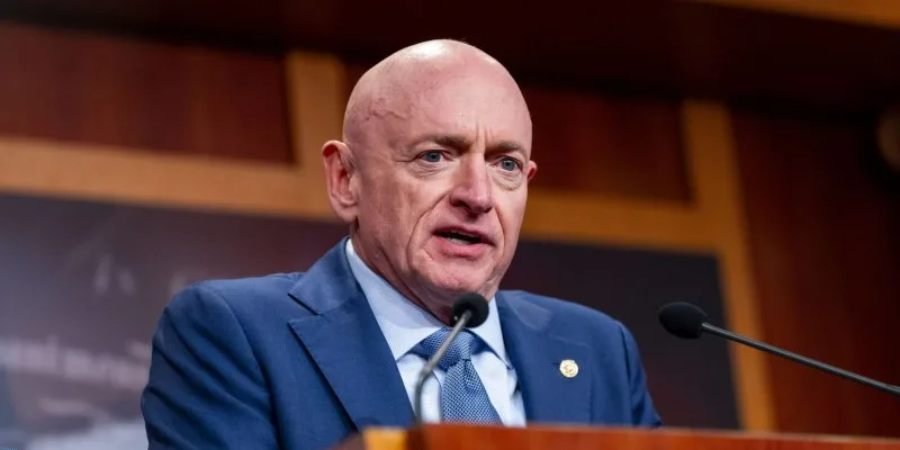
Kelly appeared on CBS News’ “Face the Nation” on Sunday, May 10, and told host Margaret Brennan that following Pentagon briefings on munitions, including Tomahawks, ATACMS, and Patriot rounds, he found it “shocking how deep we have gone into these magazines.”
Kelly added: “We’ve expended a lot of munitions. And that means the American people are less safe.” He then connected that depletion directly to the risk of a future conflict, specifically mentioning a potential confrontation with China in the western Pacific.
Kelly sits on both the Senate Armed Services Committee and the Senate Intelligence Committee. He receives classified briefings as part of that role. His concern, he said, was that Americans deserved to understand the cost of the Iran war in real terms.
How Hegseth Responded
Hegseth posted on social media Sunday evening, writing: “Did he violate his oath…again? @DeptofWar legal counsel will review.” He accused Kelly of “blabbing on TV” about a classified Pentagon briefing concerning American munitions and operational readiness during the Iran conflict.
This is the second time Hegseth has moved to investigate Kelly. The first investigation came after Kelly participated in a November video alongside five other Democratic lawmakers, all with military or intelligence backgrounds, urging U.S. service members to refuse illegal orders.
The DOJ opened an investigation into that video, but grand jurors declined to sign off on charges against the lawmakers in February.
Kelly Pushed Back Directly
Kelly did not stay quiet. He responded on X, writing: “We had this conversation in a public hearing a week ago and you said it would take ‘years’ to replenish some of these stockpiles. That’s not classified, it’s a quote from you. This war is coming at a serious cost and you and the president still haven’t explained to the American people what the goal is.”
That is a pointed counter. Kelly’s position is straightforward: if Hegseth said the same thing publicly at a Senate hearing, it cannot simultaneously be classified information when a senator repeats it on television.
The Pentagon, when asked for comment by CNN, referred reporters to Hegseth’s post.
What the Missile Numbers Actually Show
Kelly’s concern about weapons depletion is not coming from nowhere. Independent analysts have confirmed similar findings.
As of April 21, the U.S. military had expended at least 45% of its stockpile of Precision Strike Missiles, at least half of its THAAD missile inventory, and nearly 50% of its Patriot air defense interceptor missiles, according to an analysis by the Center for Strategic and International Studies.
Those numbers closely align with classified Pentagon data, according to sources familiar with recent internal Defense Department stockpile assessments.
That context matters. Kelly was not speculating. He was describing a situation that outside analysts, using open-source data, had already reached similar conclusions about.
The Legal Battle Already in Progress
This second investigation attempt lands while the first one is still being fought in court, and Hegseth is losing ground there.
A federal appeals court appeared ready Thursday to reject Hegseth’s effort to punish Kelly over the illegal orders video. A majority of the three-member panel at the DC U.S. The Circuit Court of Appeals spent more than an hour and a half throwing cold water on arguments pushed by the Justice Department.
Kelly sued Hegseth in January after the defense secretary announced the Pentagon would pursue administrative action against the Arizona senator, including reducing his last military rank, which would lower his pay as a retired Navy captain, and issuing a letter of censure.
A federal judge blocked those actions earlier this year, calling them unconstitutionally retaliatory. Hegseth appealed that ruling.
At the appeals hearing, Judge Nina Pillard noted of Kelly’s earlier comments: “That is something that is taught at Annapolis to every cadet.” Judge Florence Pan added: “These are people who served their country, many put their lives on the line.”
Outside the courthouse after that hearing, Kelly warned: “If you say something that the president and this administration does not like, they’re going to come after you.”
Why This Story is Bigger Than a Political Feud
Strip away the social media posts and the legal filings, and what remains is a serious question: can a sitting senator who serves on the Armed Services Committee raise national security concerns publicly without facing retaliation from the executive branch?
Kelly’s position is that the American public has a right to know what the Iran war is costing in terms of military readiness. Hegseth’s position is that sharing information from classified briefings, even if that information has been repeated in public hearings, crosses a legal line.
The courts have, so far, leaned toward Kelly.
Key facts in this dispute:
|
Issue |
Kelly’s Position |
Hegseth’s Position |
|
Was the information classified? |
No – Hegseth said it publicly at a Senate hearing |
Yes – came from a classified briefing |
|
Is the investigation lawful? |
Courts have called it retaliatory |
Legal counsel will review |
|
November video – illegal orders |
Bedrock military law, taught at Annapolis |
Violation of oath |
|
Penalty sought |
Unconstitutional, ruled lower courts |
Rank reduction, censure, investigation |
Background: Who is Mark Kelly?
Kelly is not a career politician by background. He is a retired Navy captain, a combat veteran, and a NASA astronaut who flew four Space Shuttle missions. He was also the husband of former Representative Gabby Giffords, who survived an assassination attempt in 2011.
He has been an Arizona senator since 2020. His military background gives him credibility on defense issues, and it is precisely that background that Hegseth has tried to use against him, by seeking to reduce his retired military rank.
What Happens Next
The Pentagon’s legal counsel is now reviewing Kelly’s CBS comments. Whether that leads to formal action, a third confrontation in court, or another blocked attempt remains to be seen.
What is clear is that the conflict between Hegseth and Kelly reflects a broader tension in Washington over civilian oversight of the military, the boundaries of free speech for retired service members, and how much the public should know about the costs of an active war.
Kelly has shown no signs of backing down. He told reporters: “The people who have given the most in service to this country wouldn’t be free to say what they believe.”
That argument, not a legal technicality, but a fundamental question about who gets to speak freely, is what is really being fought over here.
Frequently Asked Questions
Why is Hegseth investigating Mark Kelly? Hegseth says Kelly disclosed classified information about U.S. missile stockpiles during a CBS News interview. Kelly denies it was classified, noting Hegseth said the same things at a public Senate hearing.
What did Kelly say about U.S. weapons stockpiles? Kelly said the U.S. had used up significant portions of its Tomahawk, ATACMS, THAAD, and Patriot missile inventories during the Iran war, and expressed concern about readiness for future conflicts.
Has Hegseth investigated Kelly before? Yes. Hegseth launched the first investigation after Kelly appeared in a November 2024 video urging service members to refuse illegal orders. A federal judge blocked the resulting penalties as unconstitutional.
What is the court’s current position? A federal appeals court signaled in early May 2026 that it would likely reject Hegseth’s effort to punish Kelly over the original video, calling the penalties retaliatory and likely unconstitutional.
What penalties did Hegseth seek against Kelly? Hegseth sought to reduce Kelly’s retired military rank, cut his retirement pay, and issue him a formal letter of censure. Courts have blocked those actions so far.