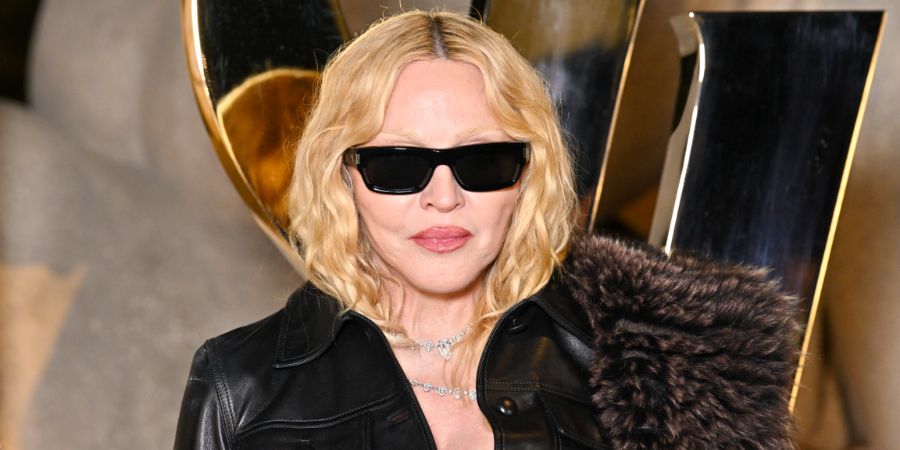
The problem with most discussions around AI music is that people conflate what the tech can physically do with what the law and listeners will actually tolerate. Generating a convincing Madonna vocal clone takes about thirty seconds on a decent laptop. Keeping that track online without getting hit by a massive copyright suit or an immediate platform ban is a completely different story.
As synthetic audio floods the web, the music industry is scrambling to draw hard lines around intellectual property, human creativity, and fair play.
Here is where things actually stand.
The Legal Reality of Cloning Madonna (or Anyone Else)
If you feed stems of a famous artist into a voice model and generate a new song, you are crossing two distinct legal boundaries.
First, there is the audio itself. Using copyrighted studio recordings to train an algorithm or construct a remix without explicit authorization infringes on master recording rights. Record labels spend millions protecting those catalogs, and their automated scanning systems catch unauthorized uploads almost instantly.
Second, there is the issue of identity. In the United States, an artist’s voice and likeness are protected under right-of-publicity laws and state anti-cloning regulations. You cannot commercialize a recognizable voice, or even present it as a feature, without a formal contract. Unless you hold signed clearances from both the publisher and the label, uploading an unauthorized AI remix to Spotify or YouTube is a fast track to a cease-and-desist letter.
Can You Copyright a Song Made by AI?
In short: no.
The U.S. Copyright Office and European courts have been remarkably clear on this point. Copyright protection requires human authorship. If you type a prompt into an engine and let the software generate the melody, lyrics, and production from scratch, that resulting file drops straight into the public domain. Anyone else can legally rip it, re-upload it, or monetize it, and you have zero legal recourse.
Where it gets interesting is hybrid production. If a human songwriter writes the melody, drafts the lyrics, and performs the core arrangement, but uses AI for minor backing elements or sound design, those human-created parts can still be registered. The key distinction comes down to control: did the human use the tool to execute a specific artistic vision, or did the tool do the heavy lifting?
How Platforms and Labels are Responding
Big music record companies that sign and distribute music artists are suing AI music generators aggressively. Their claim is that the AI models were fed on copyrighted music files for a very long time, and nobody asked for their permission or paid them.
While those court cases wind through the system, streaming services are building technical roadblocks:
- Pattern Fingerprinting: Services like Spotify and Deezer use detection filters to spot synthetic audio artifacts, aiming to curb streaming fraud and ghost-artist farms.
- Metadata and Verification: Platforms are testing verified human badges and mandatory AI disclosures so listeners know exactly what they are hearing.
- Background Licensing Solutions: YouTube is integrating AI audio options directly into creator tools, allowing video producers to generate royalty-free background cues legally rather than chancing copyright strikes.
Who is Buying into AI Music?
Despite the noise online, standalone “AI pop stars” remain a novelty act. Listeners do not buy concert tickets, order vinyl, or wear t-shirts for an algorithm. The real emotional connection in music still relies on human vulnerability and shared experience.
Instead, the actual commercial adoption of AI music is happening in background audio. Video editors, game developers, podcasters, and corporate media teams are leaning heavily on generative tools to create fast, cheap, royalty-free background loops. For production music, AI is already taking over; for mainstream artistry, it remains a tool in a human producer’s toolkit.