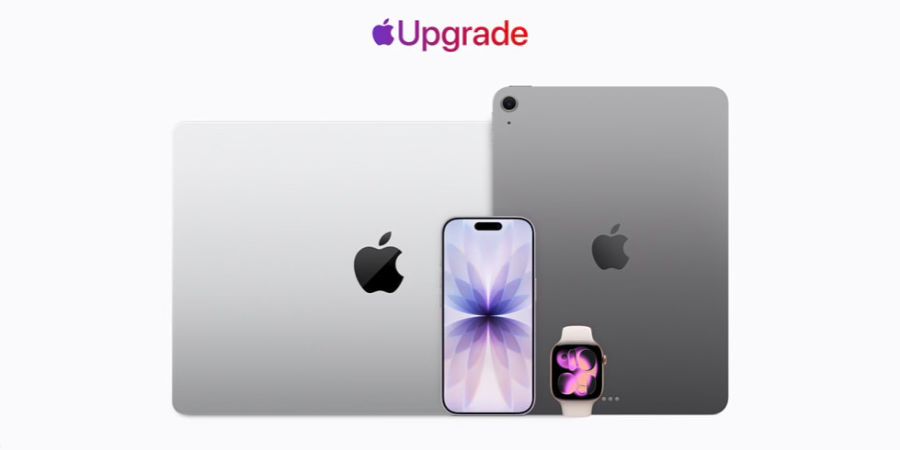
Apple is changing the way customers purchase its most popular devices with the launch of the Apple Upgrade leasing program in the United States. Rather than requiring shoppers to buy a device outright or finance the full purchase price, the new program allows eligible customers to lease flagship Apple products for a predictable monthly payment.
The initiative, operated in partnership with Klarna, covers many of Apple’s premium devices, including iPhones, Macs, iPads, and Apple Watches. At the same time, Apple is moving away from its long-running iPhone Upgrade Program and traditional iPhone payment options for new customers, bringing its hardware financing strategy under one leasing model.
The move reflects a broader trend in consumer technology, where subscription-style access and flexible payment plans are becoming increasingly popular.
How the Apple Upgrade Leasing Program Works
The structure of Apple Upgrade is similar to a vehicle lease. Customers select a device and agree to a fixed lease term based on the product category.
For iPhones and Apple Watches, customers can choose between 12-month and 24-month terms. Macs and iPads are available with longer 24-month or 36-month agreements.
Monthly pricing begins at approximately:
- iPhones: $17.99
- iPads and Apple Watches: $11.99
- Macs: $24.99
Customers can apply through Apple’s website, the Apple Store app, or an Apple retail location. Klarna manages the application process and uses a soft credit check to determine eligibility, meaning customers can generally check whether they qualify without affecting their credit score.
Apple’s latest financing strategy is another example of how major technology companies are adapting their business models to changing consumer preferences. Readers interested in similar developments can explore more technology and business innovation stories in Elevate Icons Magazine
What Happens at the End of the Lease?
Once the lease reaches its end date, customers have three options.
The first is to upgrade by returning the current device and leasing a newer Apple model. The second is to keep the device by paying the remaining amount required to take ownership. The third is to return the hardware in working condition and end the agreement.
This flexibility may appeal to customers who regularly upgrade their devices but do not necessarily want to pay the full purchase price every year or two.
Important Details Customers Should Know
While the new leasing program simplifies monthly payments, there are several important differences compared with Apple’s previous upgrade options.
One notable change is that AppleCare+ is not included in the base monthly lease payment. Customers who want accidental damage protection or extended service coverage will need to purchase AppleCare+ separately.
The account itself is managed through the Klarna app, where customers can review payments, remaining balances, and lease information.
Apple Card holders may still receive Daily Cash rewards on qualifying monthly payments, while iPhone leases require activation with participating U.S. carriers.
Which Apple Devices Are Eligible?
The program focuses primarily on Apple’s flagship hardware lineup.
Eligible products include major iPhone models, MacBook Air, MacBook Pro, and premium iPad models. However, Apple is not currently extending the leasing option to every device it sells.
Some lower-cost products and entry-level hardware remain outside the program, meaning customers looking for Apple’s most affordable devices will still need to purchase them through traditional payment methods.
Customers who are already enrolled in Apple’s older iPhone Upgrade Program are not required to switch immediately. Their existing agreements remain active until they choose to upgrade or trade in their current device.
Why Apple’s New Leasing Strategy Matters
The Apple Upgrade leasing program is more than just another financing option. It represents a shift toward recurring monthly relationships with customers rather than one-time hardware purchases.
This approach could make premium Apple devices more accessible while encouraging customers to remain within the Apple ecosystem through regular upgrades. It also mirrors the growing popularity of subscription-style services across software, entertainment, vehicles, and consumer electronics.
For Apple, leasing may help create more predictable revenue while reducing the friction customers face when moving to the latest hardware.
The announcement also fits into a wider pattern of innovation across the technology industry, where companies continue experimenting with new ways to deliver products and services. More insights into these trends can be found in Elevate Icons’ technology coverage
For customers, the biggest question will be whether the flexibility of leasing outweighs the benefits of outright ownership. Those who upgrade frequently may find the program appealing, while buyers who typically keep their devices for many years may still prefer purchasing them outright.
To learn more about Apple’s products, financing options, and services, readers can visit the official Apple website.
Final Thoughts
Apple’s partnership with Klarna introduces a new way for U.S. customers to access premium Apple hardware through predictable monthly payments and flexible end-of-term choices. By replacing several older financing programs with the Apple Upgrade leasing program, the company is simplifying its upgrade process while aligning with the broader shift toward subscription and lease-based ownership models.
Whether customers embrace the new system will depend largely on their upgrade habits. For people who regularly move to the latest iPhone, Mac, or iPad, the leasing option could provide a convenient alternative to traditional financing. For long-term owners, buying a device outright may remain the more economical choice.