Highlights:
- The planned deployment of 4000 US troops to Poland which Defense Secretary Pete Hegseth had scheduled for May 14 2026 was abruptly cancelled.
- Some troops and equipment had already arrived in Poland before the order came through.
- The cancellation follows a separate decision earlier this month to withdraw 5,000 troops from Germany.
- Approximately 80000 US troops were deployed throughout Europe in the year 2025.
- The government executed the operation without prior notification to Congress and without making any public statement.
Key Facts:
|
Detail |
Information |
|
Troops cancelled |
4,000 (rotational deployment) |
|
Unit affected |
2nd Armored Brigade Combat Team, 1st Cavalry Division |
|
Planned deployment duration |
9 months |
|
Current US troops in Poland |
~7,400 |
|
Germany withdrawal announced |
5,000 troops, May 1, 2026 |
|
Total US troops in Europe |
~80,000 (2025 figure) |
Overview:
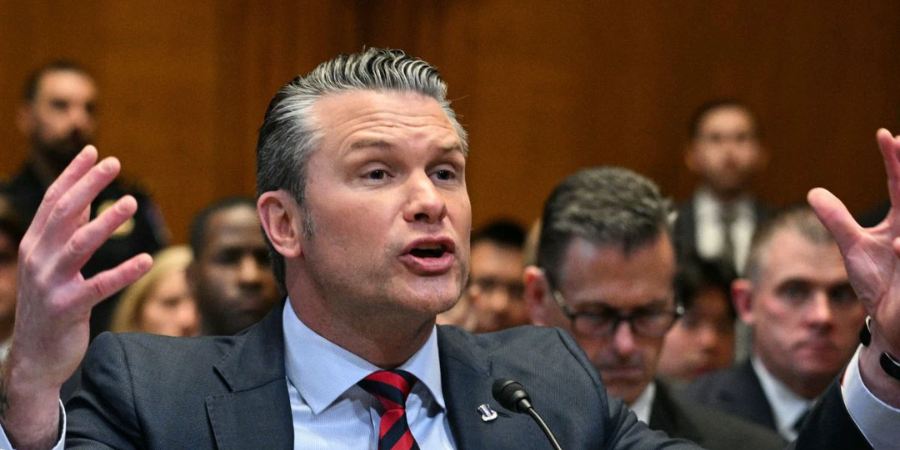
Defense Secretary Pete Hegseth’s last-minute decision to cancel the deployment of 4,000 troops to Poland caught Pentagon staff and European allies by surprise. The 4,000 Texas-based troops were preparing to leave on a long-planned nine-month rotation to Poland that includes training with NATO allies when the order to halt came through.
The Defense Department abruptly cancelled the deployment on May 14, 2026, part of a broader realignment of American forces in Europe that has caught many military officials off guard.
A memo signed by Hegseth also cancelled the future deployment to Germany of a battalion specialising in firing long-range rockets and missiles, and directed that a command in Europe overseeing those capabilities be removed from the continent.
The decision came two weeks after the Pentagon announced it was pulling 5,000 troops from Germany. That earlier decision followed a public dispute between President Trump and German Chancellor Friedrich Merz, who said the US was “humiliating” itself with the conflict in Iran.
What makes the Poland cancellation particularly notable is that troops and much of the brigade’s equipment had already arrived in Poland before the order came. Those personnel now have to return to the US.
Defense Department talking points reviewed by CNN tie the decisions directly to frustration with European allies, saying they “have not stepped up when America needed them.”
Poland had been considered a reliable US partner. Trump himself had previously labelled Poland a “model ally” for its high defence spending, making the cancellation even more surprising to officials on both sides of the Atlantic.
Poland’s defence minister said in a social media post that the issue “does not concern Poland, it relates to the previously announced change in the presence of some US Armed Forces in Europe.”
A NATO official acknowledged the US was adjusting its troop presence but said Canada and Germany had already increased forces on the alliance’s eastern flank, and that the cancellation would not affect the alliance’s deterrence and defence plans.
Frequently Asked Questions
Why did Hegseth cancel the Poland deployment? It was not entirely clear why Hegseth issued the order. The move follows broader frustration from President Trump that European allies did not join the US in the conflict with Iran, though Poland had not criticised the US position.
How many US troops remain in Europe? As of 2025, there were roughly 38,000 US troops in Germany and 80,000 across Europe overall. The current reductions would bring that figure closer to pre-2022 levels.
Did Congress know about this decision? Democratic Senator Jeanne Shaheen said the cancellation “came as a surprise” and confirmed Congress was not notified ahead of time.
What does this mean for NATO? Lawmakers from both parties had previously backed a provision in the National Defence Authorisation Act barring troop levels in Europe from falling below 76,000. The administration retains some flexibility if it consults NATO allies and provides independent security assessments.
Takeaways:
- The cancellation was abrupt, troops were already on the ground in Poland when the order arrived.
- Poland, considered one of America’s strongest European allies, was not given advance warning.
- The broader picture is a significant reduction of US military presence across Europe, driven largely by Trump’s frustration over the Iran conflict and allied spending.
- NATO says its deterrence plans remain intact, with Canada and Germany stepping up on the eastern flank.
- The legal floor of 76,000 US troops in Europe still applies unless the White House certifies otherwise through a formal process.