Brandy has long been admired for its rich aroma, smooth character, and centuries-old tradition. Produced in many parts of the world, this distilled spirit begins with fruit and undergoes a carefully controlled production process that transforms simple ingredients into a refined beverage. Understanding how brandy is made offers a fascinating look at the craftsmanship, science, and patience behind every bottle.
1. Selecting High-Quality Fruit
Every bottle of brandy starts with carefully selected fruit. Grapes are the most common choice, although apples, pears, cherries, plums, and apricots are also used to create different styles of fruit brandy.
The quality of the fruit plays a major role in determining the final aroma, flavor, and overall character of the finished spirit.
2. Fermentation
After the fruit is crushed or pressed, naturally occurring or cultivated yeast converts the fruit sugars into alcohol through fermentation. This stage creates a fruit wine that serves as the foundation for the next phase of production.
Careful temperature control and monitoring help preserve the fruit’s natural flavors.
3. Distillation
The fermented fruit wine is then distilled using specialized equipment in licensed distilleries. Distillation concentrates the alcohol while refining aromas and flavors, producing a clear spirit that will later mature into brandy.
Professional distillers carefully monitor this process to ensure consistency, quality, and safety.
4. Aging and Maturation
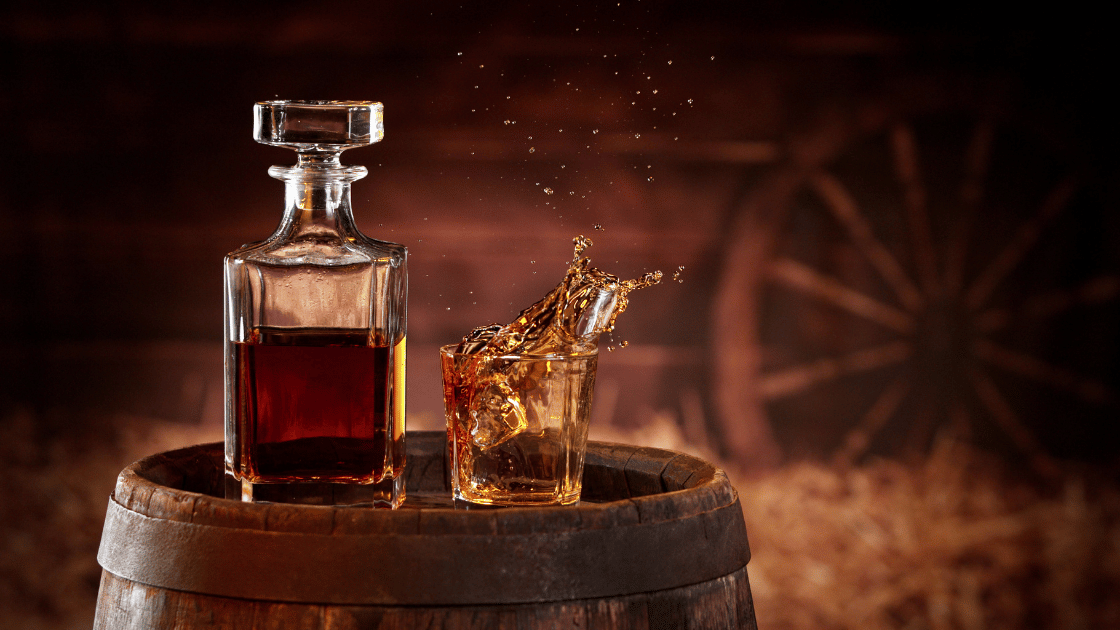
Many premium brandies are matured in oak barrels, where they gradually develop their distinctive amber color and complex flavors.
During aging, the spirit absorbs compounds from the wood, creating notes of vanilla, caramel, dried fruit, toasted nuts, and warm spices. Depending on the style, aging may last from a few years to several decades.
5. Blending and Bottling
Before bottling, master blenders may combine brandies of different ages and characteristics to achieve a consistent flavor profile. The finished product is then filtered, bottled, labeled, and prepared for distribution.
Every bottle reflects years of craftsmanship and careful quality control.
Factors That Influence Brandy Quality
The quality of brandy depends on several factors, including the type of fruit used, the fermentation process, the distillation method, and the aging period. Premium producers carefully monitor each stage to maintain consistency and preserve the natural flavors of the fruit. The type of oak barrel, storage conditions, and length of maturation also contribute to the spirit’s final aroma, color, and complexity. Attention to detail throughout production is what distinguishes an ordinary brandy from one recognized for exceptional craftsmanship and quality.
Why Brandy Is Appreciated Worldwide
Brandy is enjoyed in many cultures for its depth of flavor and traditional production methods. Different regions have developed distinctive styles based on local fruit varieties, climate, and aging techniques.
Well-known styles include French Cognac and Armagnac, Spanish Brandy de Jerez, and various fruit brandies produced across Europe and other parts of the world.
If you enjoy learning about global traditions, craftsmanship, and luxury lifestyles, explore more articles on Elevate Icons Blogs.
The Tradition and Cultural Significance of Brandy
Brandy has been enjoyed for centuries and holds an important place in the culinary and cultural traditions of many countries. Different regions have developed their own distinctive styles, reflecting local fruit varieties, climate, and aging methods. Beyond being a beverage, brandy is often associated with craftsmanship, celebration, and heritage. Its production requires patience, precision, and years of expertise, making it one of the most respected distilled spirits in the world. Today, premium brandy continues to be appreciated by enthusiasts who value its rich aromas, smooth character, and the artistry involved in creating every bottle.
Final Thoughts
Learning how brandy is made reveals the remarkable combination of agriculture, science, and craftsmanship involved in producing one of the world’s most respected spirits. From carefully selected fruit to years of barrel aging, every stage contributes to the spirit’s unique character and quality.
Whether you’re interested in food culture, beverage history, or traditional craftsmanship, understanding the brandy-making process offers a greater appreciation for this timeless drink.
To learn more about spirits education and responsible appreciation, visit the Wine & Spirit Education Trust (WSET).