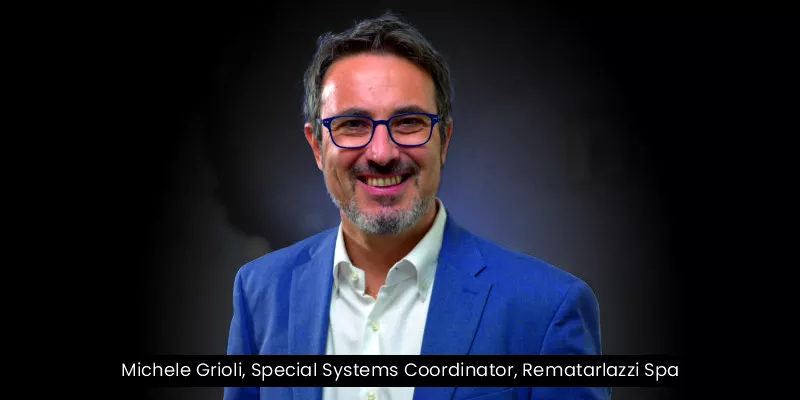
Mike Joo is leaving Bank of America. According to an internal memo seen by Reuters, the co-head of Global Investment Banking is departing the firm for an external opportunity. His next destination has not been disclosed. Bank of America declined to comment beyond the memo.
The timing is notable. Joo was appointed co-head of Global Investment Banking less than a year ago, in August 2025, as part of a broader leadership reshuffle led by Matthew Koder, president of the Global Corporate and Investment Banking division. Faiz Ahmad, his co-head, will continue leading the unit. Karim Assef, who already serves as chair of Global Investment Banking, will take on a more active operational role following Joo’s departure.
Who is Mike Joo and Why Does His Exit Matter?
Joo spent roughly 30 years in investment banking, beginning his career at Goldman Sachs in New York before moving to Hong Kong, where he served as co-head of Asia Debt Capital Markets at Credit Suisse. He joined Bank of America in 2006 and spent two decades working across global markets, capital markets, and corporate banking.
He received a formal distinction from the Korean government for his work advising on financing projects during the Asian financial crisis, a credential that speaks to the kind of senior relationship coverage that defines a rainmaker’s value at a firm like Bank of America.
In investment banking, a handful of senior dealmakers often anchor client relationships and pull together teams across mergers, equity offerings, and bond issuance. When someone at Joo’s level leaves, the immediate risk is not the headcount gap. It is the question of whether the clients he covered follow the relationship or stay with the institution. That answer rarely arrives quickly and almost never appears in a press release.
What Was Joo Responsible For?
In his co-head role, Joo was specifically tasked with prioritising Bank of America’s US middle-market presence and improving integration of the business across 97 local markets.
Middle-market investment banking, transactions typically valued between $500 million and $2 billion, has become one of the most competitive segments in US dealmaking, with regional and boutique banks increasingly challenging the bulge bracket for mandates.
Just weeks before his departure was announced, Joo was publicly championing Bank of America’s expansion of its regional investment banking footprint, announcing nine senior hires and describing middle-market companies as central to the bank’s growth strategy.
That public posture makes the exit land harder. Executives who have just been quoted endorsing a strategy do not typically leave for external opportunities unless something significant changed. Bank of America has not explained what changed.
Is This an Isolated Departure or Part of a Larger Pattern?
Reuters noted several other recent senior departures from Bank of America’s investment banking division alongside Joo’s exit, including Ed Liu, Rohan Sen, and Amy Lissauer. That cluster of exits matters because each individual departure looks like ordinary Wall Street mobility. Multiple senior departures in rapid succession at the same division looks like something else, either a cultural shift, a competitive raid, or internal friction that has not been made public.
Bank of America’s investment banking fees fell 9% to $1.4 billion in the second quarter, lagging rivals, and the bank slipped from fourth to fifth in M&A market share rankings, according to Dealogic data. Revenue pressure and leadership instability rarely travel alone.
When a division is losing ground on league tables and losing experienced bankers at the same time, the strategic question is not whether the bank can replace the people. It is whether it can replace the relationships those people carried.
What is Bank of America Doing to Offset the Losses?
The bank’s public response to the talent situation is aggressive hiring. Bank of America says it has added more than 40 new managing directors to its Global Corporate and Investment Banking unit in 2026 alone.
That number is genuinely significant. 40+ MDs in a single year represents a substantial investment in building the bench. The question, as Finimize correctly identified, is whether new managing directors can inherit accounts, rebuild deal teams, and win repeat mandates before the revenue impact of the senior departures becomes visible in the numbers.
New hires bring contacts and energy. They rarely bring the decade-long client relationships that senior departures take with them on the way out. The lag between hiring and revenue contribution in investment banking is typically measured in years, not quarters.
Why Mike Joo’s Departure Raises More Questions Than Answers
There is a specific reason the Mike Joo departure stands out beyond the usual executive-transition narrative.
He was not promoted into the co-head role from outside the organisation or parachuted in from a competitor. He was a Bank of America lifer, two decades, multiple roles, a steady climb through global markets, capital markets origination, and North America coverage. The bank built the co-head structure around him less than a year before he left.
That internal history makes the “external opportunity” language in the memo read differently than it would for a shorter-tenured executive. At this level of seniority, after this length of tenure, an external opportunity that is compelling enough to leave for tends to be very specific, either a leadership role at a competitor, a position at a private equity or hedge fund, or a founding role somewhere new.
None of those options have been confirmed. Joo has not commented publicly.
What Happens to Bank of America’s Investment Banking Franchise Now?
Faiz Ahmad and Karim Assef will now run day-to-day planning and strategy for the global investment banking business. Ahmad brings a global capital markets background. Assef’s expanded role adds continuity at the chair level.
Bank of America currently ranks fourth in Dealogic’s global investment banking revenue standings, with approximately 6% market share, slightly down from 6.1% the prior year. The bank has been rebuilding aggressively, but the league table trajectory and the talent attrition are both moving in directions that make the next two to three quarters important to watch.
Investment banking franchises are built on relationships that take years to form and can unravel faster than the headcount suggests. Whether Bank of America’s new managing director cohort can fill the gap left by Joo, and the others who preceded him out the door, will not be visible in an internal memo. It will show up in deal announcements, mandate wins, and fee revenue over the next several reporting periods.
That is the story worth watching. Not the departure itself, but what comes after it.