Seven Intriguing Details Regarding the Production of Brandy
With its sophisticated and sumptuous atmosphere, brandy is a beverage with a lengthy and meticulous history. The process from vineyard to bottle is quite fascinating for those who are intrigued about how brandy is manufactured. Every stage, from fruit selection to aging, adds to its unique personality.
1. Fruit Is Where Brandy Production Begins
In contrast to most spirits, brandy begins as fermented fruit juice. Although apples, pears, and cherries are occasionally used, grapes are the preferred fruit. The ultimate flavor of the brandy will depend on the quality of the fruit. Certain regions have their own distinctive brandy types, such as France’s Cognac and Armagnac, which are both created only from grapes.
2. The Fermentation Process in Brandy Production
The fruits are crushed and pressed when they are gathered. When their juice is released, yeast causes alcoholic fermentation, which converts the carbohydrates to alcohol. Making brandy is a technique that is similar to making wine. The end product, which is used as the basis for distillation, is essentially a fruit wine.
3. The Art of Distillation in Brandy Production
Distillation is essential to the production of brandy. The process of distillation involves boiling fermented wine in copper pots to evaporate the alcohol and remove water and other contaminants. Achieving the concentrated fruit essence will improve the flavor and aroma of the spirit. Older pot stills or column stills, which have different influences on the flavor, are preferred by distillers.
Learn more about distillation techniques from Encyclopaedia Britannica.
4. Aging Brandy in Wooden Barrels
Brandy is aged in wood barrels following distillation. This is the setting for alchemy. Rich tastes like vanilla, caramel, and spice are added by the wood, which also tempers the spirit’s fiery flavor. Depending on the intended flavor profile, brandy matures for years.
5. How Different Regions Influence Brandy Production
It also affects the flavor that is created. Cognac and Armagnac, which are only produced in a certain area of France, follow a set of guidelines for authenticity. Spanish Jerez brandy uses Solera, which blends brandies of various ages to create a mixed flavor. In order to create their own brand that may be consumed domestically, Indian brandies use regional fruits and production methods.
6. Brandy Classification and Grading
Brandy is ranked according to its quality and age. VS (Very Special), VSOP (Very Superior Old Pale), and XO (Extra Old) are common labels. These labels all specify the brandy’s minimum age.
7. The Proper Way to Drink Brandy
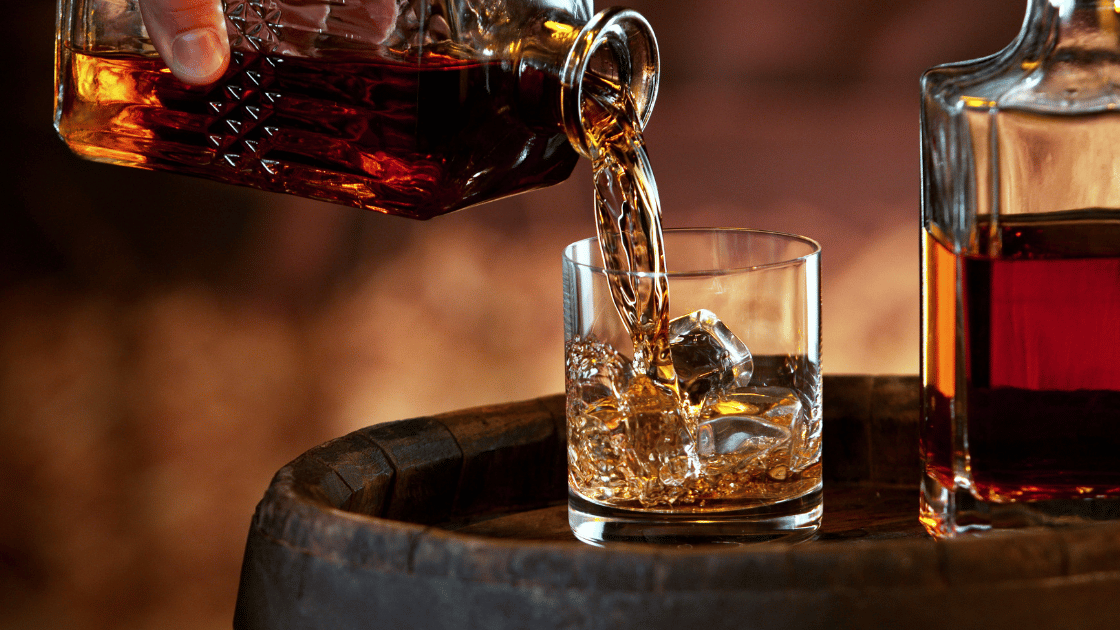
Using all of your senses is part of the brandy drinking experience. In order to maximize the taste experience and allow the vapors to condense, it should be consumed in a snifter glass. Some people drink it straight, while others dilute it with a little water to lessen its strength. For those who like to mix and match, brandy is a great spirit to utilize in classic cocktails like the Sidecar or Brandy Alexander.
Final Thoughts on Brandy Production
Learning the craft of Brandy Production makes it simple to see why each bottle requires such skill and attention to detail. Making brandy is essentially a blend of science and tradition, from fruit selection and meticulous fermentation to the nuanced science of aging.
Brandy is a timeless beverage that continues to captivate enthusiasts worldwide, whether it is served as a warm nightcap or as a joyful toast. Brandy production continues to evolve with modern techniques while preserving centuries-old traditions. Whether crafted in France, Spain, India, or other regions, quality brandy reflects the perfect balance of carefully selected fruit, skilled distillation, patient aging, and expert craftsmanship. Understanding this process allows enthusiasts to appreciate every sip even more.
Explore more food, beverage, business, and lifestyle stories in Elevate Icons Magazine.