Short answer: not in 2027. Probably not in 2028 either. But the direction Apple is heading makes the question worth taking seriously.
Apple’s first-generation smart glasses, due in late 2027, will launch without full health or fitness features. They will not track your heart rate. They will not replace your Apple Watch. And they will absolutely require an iPhone to function, the glasses offload their processing to the phone entirely.
But look past the first generation and the picture changes significantly.
What Apple Glasses Can Do at Launch
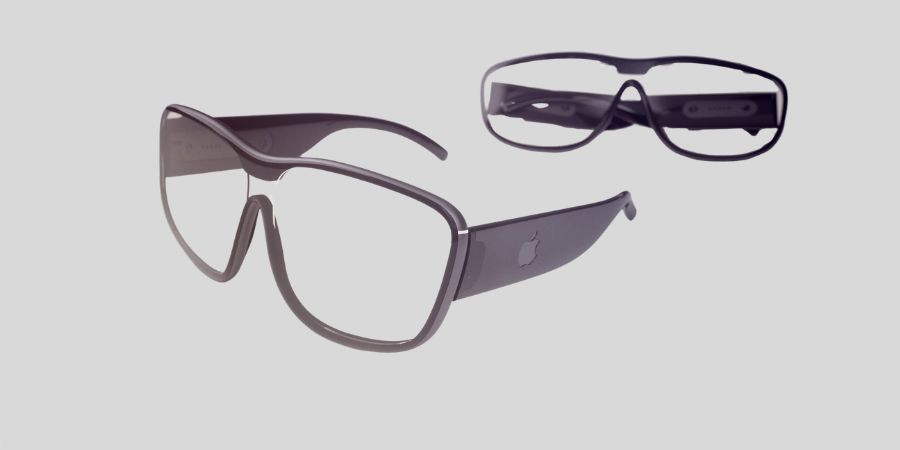
These are AI smart glasses with cameras, not a computing device. They will have built-in cameras, speakers, and microphones for taking pictures and video, and to interact with the iPhone.
The cameras serve two purposes. One captures photos and video. The other gives Siri real-time visual awareness, point your head at something and ask what it is, get live translation of a sign, or identify a product in a shop. They will feature oval-shaped cameras, unique colors, and multiple frame styles.
What they will not do at launch:
- Track heart rate, blood oxygen, or movement
- operate without an iPhone nearby
- Display anything on the lenses
- Replace any function your Apple Watch currently handles
Apple Glasses vs Apple Watch: Do They Compete?
Right now, no. Eventually, yes, at least partially.
Apple already tried to build a fitness experience into a headset. The company developed a version of Fitness+ for Vision Pro that would track body movements during workouts. That project was scrapped, the headset weighed around 600 grams, making it impractical for exercise.
Smart glasses weigh almost nothing by comparison. That is precisely why Apple is now revisiting the same health ambition in a completely different form factor.
Apple is exploring ways to turn its future glasses and Vision headsets into health and fitness companions. Their cameras and sensors could eventually track movement, analyze workouts, and help users improve how they exercise.
A new Apple job listing for someone to define health, wellbeing, and fitness experiences across vision products confirms this is active investment, not speculation.
Where each device sits right now:
|
Capability |
Apple Watch |
Apple Glasses (Gen 1) |
|
Heart rate monitoring |
Yes |
No |
|
Workout tracking |
Yes |
No |
|
Visual AI / Siri |
Limited |
Yes |
|
Camera |
No |
Yes |
|
Notifications |
Yes |
Yes (audio) |
|
iPhone required |
No |
Yes |
|
Price |
$399–$799 |
$200–$500 (est.) |
Leaked pricing puts the glasses somewhere in the $200–$500 range. If accurate, that positions them directly against the Apple Watch Series 12, raising the question of whether two Apple devices will end up competing for the same fitness-minded buyer.
Will Apple Glasses Replace the iPhone?
No, and Apple has been clear about this structurally. The glasses are designed as an iPhone accessory, the same way AirPods and Apple Watch are. They will not replace the iPhone but could redefine how we use it, much like the Apple Watch did.
The more accurate comparison is AirPods. When AirPods launched, nobody asked if they would replace the iPhone. They extended how you interact with it, hands-free, context-aware, always available. Apple Glasses follow the same logic, adding a camera and visual AI layer on top of the ecosystem you already carry.
Apple has already turned AirPods into more than earbuds. Heart-rate tracking arrived with AirPods Pro, hearing health features turned them into a hearing aid system, and camera-equipped AirPods are reportedly coming next. The same incremental expansion is the blueprint for glasses.
The Health Platform Apple is Actually Building
Apple is building toward a health platform it could not deliver with Vision Pro. The glasses give Apple something Vision Pro never could: a device people will actually wear all day, during workouts, in public, at work.
Cameras that track movement and analyze exercise form. Sensors that monitor posture over hours. Always-on Siri that understands context from what you are looking at. If successful, Apple Glasses could significantly impact the $200 billion global eyewear market, much like the Apple Watch transformed the watch industry.
That transformation did not happen in Apple Watch’s first year. It happened across five or six generations as sensors multiplied and software deepened. The same arc is the realistic expectation for Apple AI smart glasses.
The Privacy Problem Apple Still Has to Solve
Smart glasses with cameras face a trust problem that smartwatches never did. Apple has reportedly considered glasses without cameras, alongside a version where the cameras could understand the surroundings without taking photos or recording video, infrared sensors that give Siri spatial awareness without capturing regular pictures.
The shipping version will carry cameras with a visible LED indicator. Whether consumers accept always-on cameras on someone else’s face sitting across from them at a coffee shop is a social question that no amount of engineering fully solves.
The Realistic Verdict
Apple Glasses will not replace your iPhone or Apple Watch in 2027. They will sit alongside both as a third device, extending Siri, adding camera-based AI, and beginning to build the health platform Apple has been trying to create since Vision Pro proved too heavy to wear during exercise.
Over time, Apple believes the glasses could evolve into a health device and eventually incorporate augmented reality technologies capable of improving how people see.
That timeline is measured in years, not months. But the direction is clear, the investment is real, and the first generation, however limited, is the starting point for something considerably more ambitious.
FAQs
Will Apple Glasses replace the iPhone?
No. Apple Glasses require an iPhone to function in Gen 1. They are designed as an accessory that extends iPhone capabilities, similar to AirPods or Apple Watch, not a replacement for it.
Will Apple Glasses replace the Apple Watch?
Not at launch. The first generation will have no health sensors. Future models are planned to include movement tracking, workout analysis, and potentially heart rate monitoring, which could overlap with Apple Watch’s health functions over time.
What health features will Apple Glasses have?
None confirmed for Gen 1. Apple is actively developing health and fitness capabilities for future generations, including movement tracking via camera and workout form analysis. A job listing for a health and fitness vision products lead confirms this is in development.
Do Apple Glasses need an iPhone?
Yes. The first-generation Apple Glasses function as an iPhone accessory, offloading AI processing to the phone. They will not operate as a standalone device.
How do Apple Glasses compare to Apple Watch for health tracking?
Apple Watch currently handles heart rate, ECG, blood oxygen, sleep tracking, and full workout metrics. Apple Glasses Gen 1 handle none of this. The comparison becomes more relevant in Gen 2 or Gen 3, when health sensors are expected to arrive.