Healthcare is about much more than treating illnesses—it is about improving people’s quality of life. For individuals experiencing homelessness, medical care alone is rarely enough. Without stable housing, proper nutrition, mental health support, or access to essential services, even the best medical treatment may only provide temporary relief. This is why healthcare for the homeless requires a multidisciplinary approach that combines medicine, social services, mental health care, and community support to create long-term positive outcomes.
Across the United States, healthcare providers are increasingly recognizing that homelessness is not just a housing issue—it is also a significant public health challenge. By bringing together different professionals and organizations, communities can provide holistic care that addresses both immediate medical needs and the underlying causes of poor health.
Understanding the Connection Between Homelessness and Health
People experiencing homelessness face unique health risks every day. Exposure to extreme weather, limited access to nutritious food, poor sanitation, and interrupted medical care can quickly turn manageable health conditions into serious medical emergencies.
Many individuals also live with chronic illnesses such as diabetes, asthma, hypertension, or heart disease. Without regular checkups or medication, these conditions often worsen over time. Mental health disorders, trauma, and substance use disorders are also far more common among homeless populations, making comprehensive treatment essential.
Healthcare organizations are also exploring innovative technologies like AI-assisted diagnostics to improve early disease detection and clinical decision-making, especially for vulnerable populations.
Why Traditional Healthcare Alone Isn’t Enough
Traditional healthcare systems generally expect patients to schedule appointments, travel to clinics, purchase medications, and attend follow-up visits. For someone without transportation, stable housing, or financial resources, these expectations become major barriers.
A multidisciplinary healthcare model recognizes these challenges by bringing together:
- Primary care physicians
- Nurses
- Mental health professionals
- Social workers
- Addiction specialists
- Housing coordinators
- Community outreach teams
Instead of focusing only on treating symptoms, these professionals work together to improve the patient’s overall wellbeing.
Mental Health and Social Support Are Essential
Mental health plays a critical role in homeless healthcare. Many individuals have experienced trauma, domestic violence, military service-related PTSD, depression, or anxiety before becoming homeless.
Providing counseling, behavioral therapy, addiction recovery services, and emotional support helps individuals regain stability and confidence. Social workers also help patients apply for healthcare benefits, identify housing opportunities, and connect with employment or rehabilitation programs.
This integrated support system greatly increases the chances of long-term recovery rather than temporary treatment.
Community-Based Healthcare Makes Care More Accessible
Many homeless individuals hesitate to visit hospitals because of transportation difficulties, financial concerns, or previous negative experiences.
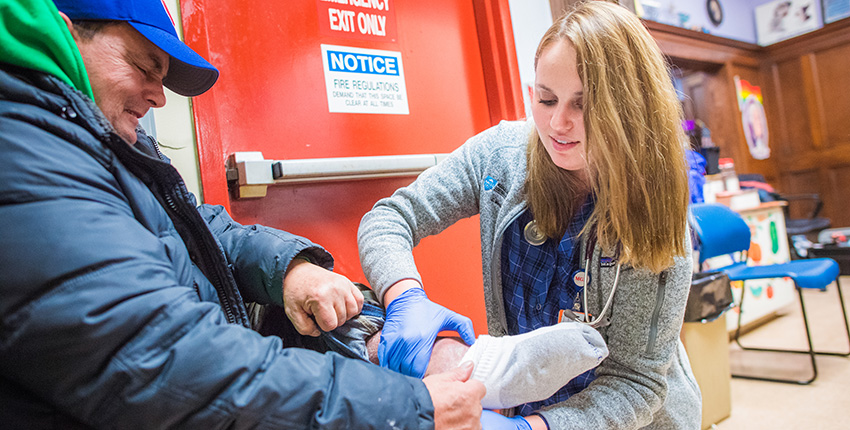
Community health programs are changing this by bringing healthcare directly to patients through:
- Mobile medical clinics
- Street outreach teams
- Shelter-based healthcare services
- Community wellness centers
Telehealth is also helping expand healthcare access by allowing patients to consult doctors remotely without traveling long distances.
These programs improve early intervention while reducing unnecessary emergency room visits.
Technology Is Supporting Better Patient Care
Healthcare technology is becoming an important part of multidisciplinary care. Electronic medical records help different providers coordinate treatment more effectively, while wearable health devices allow clinicians to monitor chronic conditions remotely.
Modern wearable health technology can track heart rate, oxygen levels, sleep quality, and other health indicators, allowing healthcare providers to intervene before serious complications develop. These digital tools are especially valuable for patients who struggle with regular clinic visits.
Addressing the Social Determinants of Health
Medical treatment alone cannot solve homelessness. Factors like housing, employment, education, transportation, nutrition, and social support all directly affect health outcomes.
This concept is known as the social determinants of health.
When healthcare providers collaborate with housing agencies, nonprofit organizations, food assistance programs, and local governments, patients receive the comprehensive support needed to improve both their health and living conditions.
This coordinated approach reduces hospital readmissions while helping individuals build more stable, independent lives.
Why Collaboration Delivers Better Results
Multidisciplinary healthcare creates lasting change because every professional contributes specialized expertise toward one common goal—improving the patient’s overall wellbeing.
Instead of repeatedly treating emergency health crises, collaborative care focuses on prevention, recovery, and long-term stability. Patients receive medical care, emotional support, housing assistance, and practical resources that help them regain independence.
This model not only improves individual lives but also strengthens communities by reducing healthcare costs and preventing avoidable hospitalizations.
Conclusion
Healthcare for the homeless is about far more than treating illness—it’s about restoring dignity, stability, and hope. A multidisciplinary approach recognizes that health is influenced by medical care, mental wellbeing, housing, nutrition, and community support working together.
As healthcare systems continue to evolve, collaboration between medical professionals, social workers, community organizations, and technology providers will remain essential for improving outcomes among vulnerable populations. By investing in integrated healthcare solutions today, communities can create healthier futures while ensuring that everyone—regardless of their housing situation—has access to compassionate, high-quality care.
For additional information about homelessness and public health initiatives, readers can explore resources provided by the Centers for Disease Control and Prevention (CDC).