Technology has become the foundation of modern life, transforming how people communicate, work, learn, shop, and access healthcare. From artificial intelligence and cloud computing to smart devices and digital payments, technological innovation has created opportunities that were unimaginable just a decade ago. Businesses are becoming more efficient, healthcare is becoming smarter, and education is reaching people across the globe through digital platforms.
However, while technology continues to accelerate progress, it also introduces new challenges that society must address. Issues such as cybersecurity, data privacy, job automation, digital inequality, and mental well-being have become increasingly important. Understanding both the benefits and risks of technological advancement is essential for building a future where innovation benefits everyone.
Technology Is Transforming Everyday Life
Modern technology has dramatically changed the way people live and work. Remote work, virtual collaboration, online banking, digital shopping, and mobile applications have become part of everyday routines. Businesses now use cloud platforms and automation tools to improve productivity, while consumers enjoy greater convenience through digital services.
Artificial intelligence is also reshaping industries by automating repetitive tasks, improving decision-making, and delivering personalized experiences. From healthcare appointments to food delivery and online education, technology has simplified countless daily activities while helping people save valuable time.
For businesses, embracing digital transformation has become essential for remaining competitive in today’s rapidly evolving marketplace.
Driving Innovation Across Every Industry
One of technology’s greatest strengths is its ability to inspire innovation. Every major industry is experiencing digital transformation through emerging technologies.
In healthcare, AI-powered diagnostics help doctors identify diseases earlier and improve patient outcomes. Educational institutions use virtual classrooms and interactive learning platforms to make quality education more accessible. Manufacturing companies rely on automation, robotics, and predictive maintenance to increase efficiency while reducing operational costs.
Agriculture is becoming smarter through precision farming, IoT sensors, and data analytics that help farmers improve crop yields while conserving natural resources.
These innovations demonstrate how technology is creating solutions to some of the world’s biggest challenges.
If you’re interested in how artificial intelligence is transforming healthcare, you may also enjoy reading How AI Diagnostics Are Becoming the Doctor’s Second Opinion in 2025.
Economic Growth and New Career Opportunities
Technology has become one of the strongest drivers of economic growth worldwide. Startups, software companies, fintech businesses, and digital marketplaces continue creating new jobs and expanding global markets.
New career paths have emerged in fields such as artificial intelligence, cybersecurity, cloud computing, data science, digital marketing, blockchain, and software engineering. Professionals who continuously develop digital skills are finding greater opportunities in today’s technology-driven economy.
At the same time, businesses benefit from improved efficiency, lower operating costs, and faster innovation through automation and intelligent technologies.
The Challenge of Automation and Workforce Changes
While technology creates new opportunities, it also changes the nature of work. Automation and AI are replacing many repetitive and routine tasks previously performed by humans.
Industries such as manufacturing, customer service, transportation, and retail are experiencing significant workforce transformation. Employees increasingly need to learn new technical skills to remain competitive in evolving job markets.
Rather than viewing automation as a threat, many organizations are investing in employee training, digital literacy, and reskilling programs to prepare workers for future careers.
Continuous learning has become one of the most valuable skills in today’s digital economy.
Data Privacy and Cybersecurity Concerns
As more personal information moves online, cybersecurity and data privacy have become major concerns for individuals and organizations alike.
Every online purchase, mobile application, wearable device, and smart home system generates valuable data. Protecting this information from cybercriminals has become increasingly important as cyberattacks continue to grow in sophistication.
Organizations now invest heavily in encryption, multi-factor authentication, zero-trust security, and advanced threat detection systems to safeguard sensitive information.
Governments are also introducing stronger data protection regulations to help individuals maintain greater control over their personal information.
Technology and Mental Well-Being
Digital technology has made communication faster and more convenient than ever before. Families stay connected across continents, businesses collaborate remotely, and communities share knowledge instantly through online platforms.
However, excessive screen time, constant notifications, social media pressure, and digital dependency have raised concerns about mental health.
Many technology companies are responding by introducing digital wellness features such as screen-time monitoring, focus modes, mindfulness reminders, and healthier notification management.
Finding a healthy balance between technology use and offline life is becoming increasingly important for individuals of all ages.
Bridging the Digital Divide
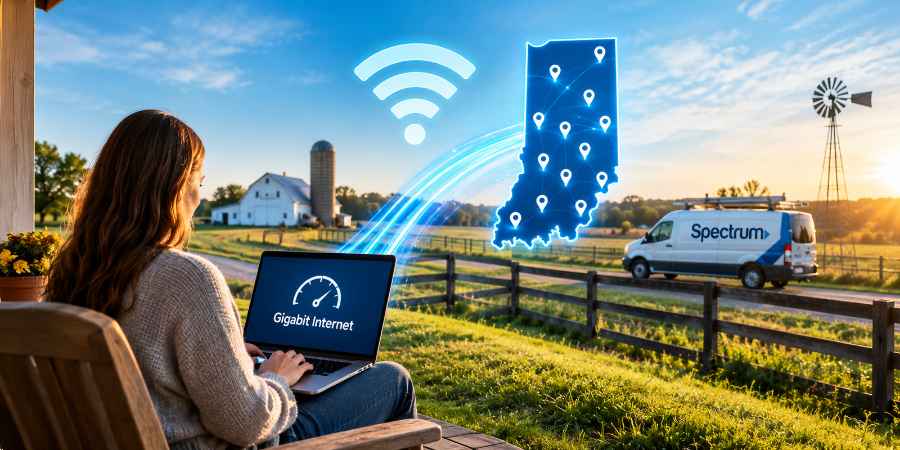
Despite rapid technological advancement, millions of people still lack access to reliable internet connectivity, digital devices, and technology education.
The digital divide affects educational opportunities, healthcare access, employment prospects, and economic development, particularly in underserved communities.
Governments, educational institutions, and technology companies continue investing in broadband infrastructure, affordable internet access, and digital literacy initiatives to ensure that technological progress benefits everyone equally.
Closing this gap remains one of the most important global priorities.
The Future of Responsible Technology
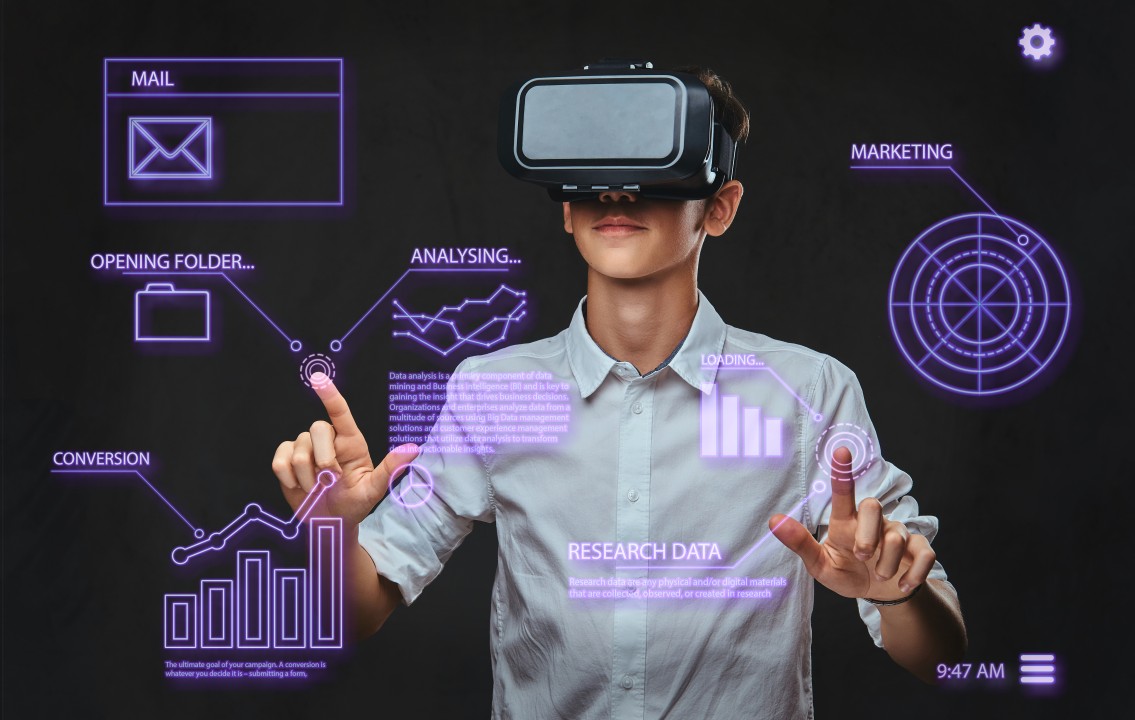
Emerging technologies such as artificial intelligence, quantum computing, robotics, augmented reality, and the Internet of Things will continue reshaping society over the coming years.
These innovations offer tremendous potential to solve global challenges related to healthcare, climate change, education, transportation, and sustainable development.
However, responsible innovation requires transparency, ethical AI development, data protection, fairness, and collaboration between governments, businesses, researchers, and communities.
According to the World Economic Forum, responsible technology governance and digital innovation will play a critical role in shaping future economic growth, workforce transformation, and sustainable development worldwide.
Conclusion
Technology remains one of humanity’s greatest drivers of innovation and progress. It has revolutionized communication, healthcare, education, business, and everyday life while creating exciting opportunities for individuals and organizations around the world.
At the same time, challenges including cybersecurity threats, workforce transformation, digital inequality, privacy concerns, and mental well-being require thoughtful solutions. By embracing innovation responsibly, investing in digital education, and promoting ethical technology development, society can maximize the benefits of technological advancement while minimizing its risks.
The future belongs not only to those who create technology but also to those who use it wisely. When innovation is balanced with responsibility, technology becomes a powerful force for sustainable growth, inclusion, and positive global change.